
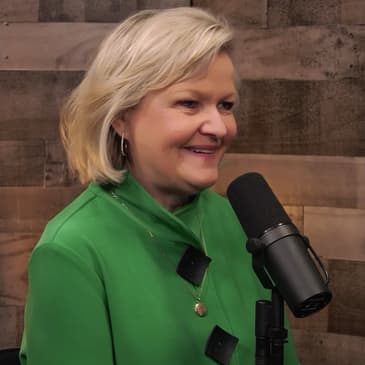
Jenny Beth sits down with top conservative attorney Cleta Mitchell to talk about election integrity, how patriotic citizens can secure our elections, the threat of noncitizen voting, and how the left focuses on changing the process so the right is forced to play by those rules.
Twitter/X: @CletaMitchell | @jennybethm
[00:00:00] There's lots of training available. Our goal is to get citizens equipped so that they can reclaim control over their elections
[00:00:09] Keeping our republic is on the line and it requires patriots with great passion, dedication and eternal vigilance to preserve our freedoms
[00:00:18] Jenny Beth Martin is the co-founder of Tea Party Patriots
[00:00:22] She is an author, a filmmaker and one-of-time magazine's most influential people in the world
[00:00:27] But the title she is most proud of is mom to her boy girl twins
[00:00:32] She has been at the forefront fighting to protect America's core principles for more than a decade
[00:00:39] Welcome to the Jenny Beth Show. My next guest is one of the top attorneys in the conservative movement
[00:00:44] She served in the state legislature of Oklahoma and then went to Washington DC three decades ago as one of the leaders in the movement for term limits
[00:00:52] As an attorney she's represented some of the top names in conservative politics including President Trump in 2020
[00:00:59] National Journal has named her one of the top 25 most influential women in politics
[00:01:04] Clita Mitchell is a senior legal fellow at conservative partnership institute where she's been laser focused on election integrity issues around the country
[00:01:12] In this episode we discuss a highly concerning issue of non-citizens voting in our elections
[00:01:19] Clita Mitchell, thank you so much for being with me today. Well, thank you for having me Jenny Beth
[00:01:23] This is quite an honor. Well, I am so glad to have you on my podcast. We've known each other for many years
[00:01:29] I consider you a friend my attorney and my mentor and you kind of check all the boxes
[00:01:35] You are very active on the election integrity front and before 2020
[00:01:40] The way I would introduce you to people is I would say you were the best election law attorney on the center right
[00:01:48] And that means you understand the laws related to elections
[00:01:52] And if you understand that then you understand how they can be violated and manipulated to cause problems
[00:01:59] Um, how did you get active in this area of the law?
[00:02:03] And what are your biggest concerns right now as we look to the future?
[00:02:07] Well, I've always my whole career has been in the area of law
[00:02:13] politics and public policy and how those intersect
[00:02:17] And I think that
[00:02:19] The most important thing for a lawyer is to understand exactly what your client is dealing with
[00:02:27] And so when I was in my
[00:02:29] Private practice for many many years and in the area of election and political law campaign finance
[00:02:36] lobbying laws all the business and regulation
[00:02:39] Of politics and public policy. There are there are quite a lot of regulations
[00:02:45] Notwithstanding that the first amendment says congress shall make no law
[00:02:49] Congress has made quite a lot of laws on this subject, but
[00:02:53] To understand what your client is going through and because of my background
[00:02:57] I was a former state legislator in oklahoma. So I've been a candidate. I've been an elected official
[00:03:03] I've been actively involved in some issue organizations as both counsel and strategist
[00:03:10] um, and so I've
[00:03:13] I always felt as though I knew what my clients
[00:03:16] Needed because I'd been in their shoes. I've been I'd done the things that they were doing
[00:03:22] And one of the things I also cut my political teeth as a democrat
[00:03:26] When I was in the oklahoma legislature and sometimes I look at republicans
[00:03:30] And say don't you understand that for the left?
[00:03:35] The process is king
[00:03:37] If you can control and change the process the rules
[00:03:42] Then you can control the outcome and the policy outcomes
[00:03:46] And I always said that for the left that for democrats
[00:03:50] The golden rule they believe in the golden rule and that is he who makes the rules wins the gold
[00:03:57] And I've always been very focused on the process because those are the rules and regulations. So when it comes to elections
[00:04:06] That the left has spent between
[00:04:09] Capital research center estimates between 11 and 14 billion dollars since about 2012
[00:04:16] Changing the way we vote
[00:04:18] Changing the way votes are handled how they're cast the calendar
[00:04:23] Uh, how they're counted and tabulated
[00:04:26] And we have been basically absent when I say we I'm talking about
[00:04:32] Conservatives and republicans and we've made a lot of times
[00:04:36] Democrats will bring in the state legislatures these changes and republicans just vote for them
[00:04:40] They they didn't realize what they were doing and I could give you a very long list of changes
[00:04:45] I wouldn't let me pause you for just a minute when they asked me the left has spent between
[00:04:51] Around 14 billion dollars. This is outside groups. It doesn't include government spending to upgrade the election systems, right?
[00:04:59] Correct. Good point. That's a very good point. These are leftist billionaires
[00:05:03] Pierre Omidyar being the number one donor to these efforts for about a decade now and
[00:05:10] They basically spent that time and that money creating nonprofit organizations 501c3 is 501c4
[00:05:19] That have focused on
[00:05:21] very
[00:05:22] Specific minute parts of the election process if you think of it as a system
[00:05:27] From the time you register to vote until the ballot is cast counted certified and they have focused
[00:05:33] They have multiple groups that focus on just one small aspect and they get one thing changed and then like another set of them
[00:05:40] Go and they get another thing changed. So now what we have are these, you know, we have election season
[00:05:47] We don't have election day anymore and we have
[00:05:51] Created
[00:05:53] We have it they created with our complicity these massive
[00:05:59] Man ways in which people can vote. I call it unsupervised voting. You think about all the protections that exist
[00:06:06] at the polling place
[00:06:08] when you go to
[00:06:09] Balloting, you know at home with mail voting if none of those protections
[00:06:15] So anyway, those are the things that I've been doing for many many years
[00:06:19] I've really been focused on that the last three years since I left my law firm in February of
[00:06:26] 2021 after having been a volunteer attorney in georgia for president trump where you as a non-attorney were the
[00:06:32] MVP in my opinion, but um, anyway, so we've been focused on
[00:06:37] telling people what they can do getting people involved and engage
[00:06:42] empowering citizens to be able to impact change in their local election
[00:06:48] office and their local election system because remember all voting is local
[00:06:54] So what are some of the most important things that you think an individual citizen can do?
[00:06:59] And then we can talk about what groups are doing and all of that
[00:07:02] But let's first start with just an individual citizen
[00:07:05] Well, I I would say the number one thing that people should do is understand that they
[00:07:10] They do control this. You don't think you do but you do the power is in your hands
[00:07:15] It's just like when the wizard told ruby told Dorothy those ruby slippers. You've had that power all along
[00:07:22] We have the power because as I said all all voting takes place locally
[00:07:27] and so other than overseas voting, but that's a different issue but
[00:07:31] So I would say, you know, I wrote in
[00:07:34] 2021 and we
[00:07:36] Published and disseminated many thousands of these for free the citizen's guide to building an election integrity infrastructure
[00:07:43] And if you go to the website who's counting dot us, you can download it for free
[00:07:48] And there are training videos how to start a local election integrity task force
[00:07:53] How to work on a lot of the issues how to clean voter roles
[00:07:57] How to protect vulnerable voters in group homes and nursing homes in your area
[00:08:02] How to understand the role of the post office in your area and we give people specific steps that they can follow
[00:08:09] I would say get through it for people in your town sit down with the citizen's guide form a task force
[00:08:14] Make sure that you know what's going on at your local election office get to know those people
[00:08:19] Not in an adversarial way, but just get to be familiar attend the meetings of your electoral board
[00:08:25] And
[00:08:26] It's just like parents going to school board meetings. It's exactly the same
[00:08:30] We have the citizen power. We just have to exercise it
[00:08:35] That's that's very very important to understand and I one of the things that the way that I describe
[00:08:43] How we can be active when it comes to election integrity is that just like
[00:08:48] The united states constitution has checks and balances up and down congress
[00:08:53] The legislative branch checks the executive branch the judicial branch checks and balances the other branches the states
[00:09:00] Check and balance the federal government the citizens also have a role in the checks and balances
[00:09:06] We vote and determine who is going to represent us
[00:09:09] And then when it comes to elections, we have a role in the check and balance by being observers being pull-watt workers
[00:09:17] Their roles for an individual citizen and that helps keep keep it honest. Well all but one state
[00:09:27] has a
[00:09:28] Framework whereby citizens are
[00:09:31] Expected there's it's in the statutes where you have representatives
[00:09:35] Most of the states not all but most of the states say that they want that the political parties a point observers
[00:09:42] It's the democrats watching their republicans. It's the republicans watching the democrats
[00:09:46] It's transparency. It's so that it's an open process
[00:09:50] So that you should know everything about your election system except how an individual votes
[00:09:56] All of that should be open and transparent and
[00:09:59] We've made a lot of progress but not nearly enough
[00:10:03] But we've learned a lot in the last three years and citizens have learned so much about how it operates in their home states
[00:10:10] And their home counties or cities and I just promise you the way we reclaim our elections
[00:10:17] Is by having millions of americans involved in the process
[00:10:22] Come on in the water's fine. Don't be afraid
[00:10:25] It's our election system and we have to reclaim it from the left
[00:10:30] Absolutely, and that's part of what you've been working on right? So you've got the website who'scounting.us
[00:10:36] In the election integrity network talk about that
[00:10:40] Well, I really am a firm believer that we have to have a permanent infrastructure so that people don't just show up
[00:10:47] It is vital for people to show up and be observers and
[00:10:51] And not just on election day by election day two-thirds of the votes have been cast and counted
[00:10:56] So it's important for people to know what the process is in their state so that they can be observers and watch what's going on
[00:11:04] And so but but beyond that it's important to watch
[00:11:09] All day every day, you know have people who are going to the election board meetings
[00:11:12] People who are looking at the local at the local election offices in the voter rolls
[00:11:17] People who are working in the local community. So we tell people how they can be involved
[00:11:22] Have a local task force then those task forces knit together into a statewide coalition
[00:11:28] We now have coalitions and uh, half about half the states
[00:11:32] And
[00:11:33] Those citizens groups are meeting. They're working together. They're
[00:11:38] Sharing notes, uh, they're finding out what's going on how absentee ballots are processed
[00:11:44] Whether they have transparency
[00:11:46] What are they doing to ensure and verify the identity of people who cast their votes by mail?
[00:11:50] So there are a lot there's a lot for us to
[00:11:54] Unwind over the last decade and we're never going to have the money that the left has and we're never going to have all the paid
[00:12:00] Entities that they have but we have patriots and if people will just get involved
[00:12:06] And be there
[00:12:08] We'll make it. We're making a difference. We're getting
[00:12:11] Things done people i'm i say we that's a collective. We it's really the people the citizens out there who doing it and so
[00:12:18] There are nine national working groups that meet regularly by zoom
[00:12:23] On every topic that i've mentioned from cleaning voter rolls to protecting vulnerable voters to understanding how the post office works
[00:12:30] And how mail voting by mail works
[00:12:33] Um, so
[00:12:35] How to start a local task force?
[00:12:37] Uh, how to communicate with your local media?
[00:12:40] Lots of there's lots of training available
[00:12:44] because
[00:12:45] Our our goal is to get
[00:12:47] People citizens equipped so that they can reclaim control over their elections. And so it's very
[00:12:54] Um, it's very exciting to me and very rewarding
[00:12:57] It's very hard for me to talk about without tearing up
[00:13:00] Because i just am so proud of what people all over the country are doing. It's very encouraging
[00:13:05] It it's wonderful to see them taking action and working to make to make a real difference with it
[00:13:11] And not just complaining and going oh no, we can't trust the system
[00:13:15] That's saying how can we fix what's wrong? How can we get involved to make a difference?
[00:13:19] Well, remember that the declaration of independence says in the very first paragraph
[00:13:24] That governments derive their just powers from the consent of the governed and the way we give consent to our government officials is by
[00:13:34] We give and withdraw consent
[00:13:36] Through our votes that that's the way the constitution of the united states
[00:13:41] Created a process for us to be able to give and withdraw consent. It's through elections
[00:13:47] If we don't participate in the elections
[00:13:50] Then we are not participating in giving or withdrawing our consent
[00:13:54] We have to do that and that's I think that's one of the reasons the left wants to manipulate the election system
[00:14:01] So that they
[00:14:04] I believe they really are trying to
[00:14:06] To make it possible for us to not be able to give and withdraw consent
[00:14:10] Even though we don't like what's going on that if they can control the election process
[00:14:15] Then we can't withdraw our consent. Well, we're not going to let them do that without a fight
[00:14:21] So that's what this is all about. We're fighting for the future of our country
[00:14:26] So as you look at
[00:14:28] What as we look to the 2024 election, what are some of the concerns that you have right now about it?
[00:14:35] And how might we make a difference with those concerns? Well, I would say there are three concerns number one is
[00:14:42] We want to make certain that election administrators follow the law
[00:14:46] As you saw in georgia after the 2020 election when we put together our election contest
[00:14:52] for president trump, which we filed and
[00:14:55] People don't realize 64 page complaint over 1100 pages of exhibits and verified affidavits
[00:15:01] Which you were largely responsible for getting done
[00:15:06] And we never got a judge appointed to hear the case
[00:15:08] So when people say oh president trump lost all of his election
[00:15:12] Challenges i'm going well. He didn't lose ours because he never got his day in court. Well, and he got a judge on
[00:15:18] January the fourth yes, and then she set a date for january the eighth right and it was moot
[00:15:25] On january the fifth
[00:15:28] Over january world's on the sixth but but when they certified the georgia electors
[00:15:33] So but it but this is supposed to have been an expedited proceeding and it was supposed to be over by
[00:15:37] Before christmas before christmas, and that's what courts usually do at the election contest
[00:15:42] But this one didn't happen
[00:15:43] But so i would just say but what we saw in that
[00:15:47] Were all the ways that the elections code
[00:15:50] From the state of georgia
[00:15:52] The ways in which that had been violated
[00:15:55] And since then we have documented
[00:15:58] Excuse me in many states
[00:16:01] That there were laws that were just disregarded courts have reviewed those cases since then and it said yes
[00:16:08] that the ballot drop boxes
[00:16:10] in wisconsin were unlawful
[00:16:13] and
[00:16:14] That that the manner in which philadelphia conducted its election violated pennsylvania state law
[00:16:21] There are many at there's a lot of documented evidence and findings about the fact that the law was not followed in 2020
[00:16:30] And we've seen some of that again in 2022 and now then we've been able to document it in real time
[00:16:36] because of all the observers because of all the citizens who were there and watched it and
[00:16:41] That's why it's so important to have citizens there. So now we know what they're doing in some of these places
[00:16:47] And we're working to try to make sure that those things don't happen in 2024 and that they follow the law because number one rule election office
[00:16:55] Follow the law and
[00:16:57] That's the first thing the second thing is i'm very worried about non-citizen voting and that uh, how many of those
[00:17:05] Illegals that have come across the border since the uh, biden took office
[00:17:09] How many of those who've been who are being shepherded into states across the country?
[00:17:13] DHS says they don't know where all these illegals are which is kind of scary
[00:17:18] Uh, they're either lying or they're telling the truth that either neither is good
[00:17:23] And where are they and are that is our system now so porous
[00:17:27] That it's it's possible that uh, non-citizens will be able to get
[00:17:32] Registered to vote at dmvs when they're getting drivers licenses or in the case in wisconsin where the state election office
[00:17:40] Is almost opening the door for illegals to register and vote
[00:17:45] And so i'm worried about that and the only way we're going to have any impact on that is citizen involvement
[00:17:50] Which brings me to the third thing so it's follow the law
[00:17:54] It's what can we do to stop non-citizen voting and the third thing is
[00:17:58] Will enough people be willing to step up and help
[00:18:03] Provide oversight and get involved as observers as workers
[00:18:07] Uh
[00:18:09] Get involved in a local task force find out what's going on in your community
[00:18:13] Are there uh, are there groups of illegals that have been brought to your county?
[00:18:17] And then what's going on in terms of?
[00:18:20] um
[00:18:21] Whether or not they're being given
[00:18:23] Uh identification cards that that are going to be used to register to vote and i'm not talking about just battleground states
[00:18:29] I'm talking every state as you you did a
[00:18:32] Uh a documentary a few years ago that said every state is a border state
[00:18:37] Yes, yes, and now i've hear people say that I think well jenny bett did that documentary was at 10 years ago
[00:18:43] It was it was in 2014. That's what i was thinking
[00:18:46] And so every state is a border state now and citizens in every state need to be engaged and vigilant
[00:18:53] It's almost like a national neighborhood watch
[00:18:56] To find out what's going on in my community with regard to illegals. Are there pockets?
[00:19:01] Are they in a shelter? Are they uh in a group home? I mean in one respect
[00:19:08] They're the most vulnerable voters or vulnerable people in our in our society right now because they
[00:19:14] Don't speak the language and they're being manipulated. I think by some of these left-wing NGOs
[00:19:20] Who are giving them our?
[00:19:23] They're getting money the NGOs are getting money from the state department
[00:19:27] Our tax dollars to and then they're basically taking them into pockets around the country cities and all and
[00:19:35] We need to make sure that those NGOs are not
[00:19:38] Manipulating these vulnerable voters by getting them registered to vote and then basically
[00:19:44] Voting them because they don't know what's going on and I just worry that that's
[00:19:50] There are some nefarious things going on. I don't blame the illegals
[00:19:54] I blame um
[00:19:56] The people who should know better and who should be protecting them and they shouldn't be here in the first place
[00:20:01] But I think the only way we're going to be able to stop it
[00:20:04] Because there's not enough time to change all the laws to require documentary proof of citizenship and all to register to vote
[00:20:11] We're going to try to do that in a few remaining states that we can
[00:20:15] But the only way we're going to do able to do much about it. I think as we're shining the is by shining the light on it
[00:20:22] We need a lot of people involved and engaged in that so i'm hoping that we can all work together to let people know
[00:20:29] Specifically do this do this do this go to your election office find out what they're doing to document are there are there
[00:20:35] Is there a flood of new registrations? And if so
[00:20:40] What is the address where where are they registering and then go to that address get people to go to that address see what it is
[00:20:47] Is it a shelter or these do these people have proof of citizenship?
[00:20:51] Do they even have proof of residence?
[00:20:53] So there's a lot of things people can do in their home communities and that's what we hope people will do
[00:20:57] and it with what you just said make sure that
[00:21:02] We want to make sure that they're very careful especially we have going to research something like that
[00:21:08] Yeah, knock on somebody's door. You've got to be very careful about that because we don't want any
[00:21:14] Accusations of intimidating voters. No, that's true. We don't and so basically what i'm saying is find out whether there is
[00:21:21] I mean, I say go to address. I don't necessarily mean knocking on the door. I just want to make sure we're clear about that
[00:21:26] No, it's just but but if you're looking at your local voter rolls
[00:21:31] If you're looking at an influx of new registrations all of a sudden 20 or one address, right?
[00:21:36] Just have some people always go in pairs
[00:21:39] And and just go and take a picture look at the address and compare it then look it up on the
[00:21:45] There are you can look it up on your property tax rolls in your county
[00:21:48] there's there a lot of public documents that you could look at or public records databases
[00:21:53] And if that says well, this is a church or this is okay. Well, then maybe you call the pastor of the church, but
[00:22:00] Be all you want to know is you're trying to find out information and if you can just get
[00:22:06] Documentation that perhaps that's not a residential address and your state law is that you can only be registered at your permanent residence
[00:22:13] then take that information back to your election office and
[00:22:18] We're going hopefully we can create a
[00:22:21] A reporting back system where people can
[00:22:23] Report things and post things and then there'll be a way for us to track what's going on around the country
[00:22:29] DHS doesn't know where anybody is, but maybe the citizens can find out right
[00:22:34] Okay, no people will push back and they will say it's illegal for non citizens to vote
[00:22:40] You have to be a citizen to vote at least in most
[00:22:43] Steeds around the country and definitely for federal elections
[00:22:47] So how could someone who's not a citizen vote? Well, it's illegal to rob banks too, but people still rob banks
[00:22:54] So, you know, it's illegal to drive over the speed limit, but we all do it. So
[00:22:59] The question is what is the enforcement mechanism and like I say
[00:23:04] The the illegals the people who are here and being shepherded by these
[00:23:10] leftist NGOs
[00:23:12] non-governmental organizations
[00:23:14] To my way of thinking
[00:23:16] They're not really they don't really much care about the law
[00:23:19] um, that people are not supposed to be coming across the border without
[00:23:23] Permission and authorization. We have laws that say that right so they've already broken the law
[00:23:28] I don't know. So yes, it's illegal
[00:23:31] But who's going to do we think that the biden administration is going to prosecute anybody for voting?
[00:23:38] If they're not a citizen, no, they're not going to prosecute and they're not going to the Department of Justice
[00:23:42] Is not going to do anything to try to stop these NGOs from getting people on the voter rolls
[00:23:48] That's what they want
[00:23:50] They they probably they probably have a policy written or unwritten
[00:23:54] That they want these people to vote because I think that they think that that's how they'll win
[00:24:00] um
[00:24:01] And
[00:24:02] Do you have to show proof of citizenship when you registered of it?
[00:24:08] No, not in most states. There are some states that
[00:24:11] Even though in arizona
[00:24:13] They have put it arizona has been trying for 20 years 21 years
[00:24:18] And this is a an actual border state now just every student is a border state. They have a border
[00:24:25] The bottom of their seat is the united states. Mexico border. They have a real border
[00:24:30] They are a real border state
[00:24:32] And so they have been trying for 20 years to be able to
[00:24:35] Require proof of citizenship in order to register to vote and they have had
[00:24:39] They've been sued by every left-wing group and they have they have cases that have gone up to the supreme court
[00:24:45] One one or more times
[00:24:47] They recently with a new bill that was passed two years ago. They reiterated
[00:24:53] Getting proof of citizenship and how to prove citizenship to register to vote
[00:24:56] they were sued by a left-wing group and the
[00:25:00] federal judge obama pointy judge ruled that
[00:25:03] But
[00:25:04] That state
[00:25:06] Has an interest in making sure that only citizens register and vote
[00:25:11] But said that because of a
[00:25:14] 10-year-old supreme court decision
[00:25:17] That they could not
[00:25:19] Enforce this provision of their statute. So it's a really difficult
[00:25:24] Situation, but I think that what has to happen is legislatures have to just go ahead
[00:25:30] And start looking at the procedures and fall and start creating
[00:25:35] The statutory framework for requiring proof of citizenship before someone is added to the voter roles and then if
[00:25:44] Republicans ever get control of congress in the white house
[00:25:48] I think that
[00:25:49] Hopefully we'll see some movement to amend
[00:25:52] A 31-year-old bill motor voter
[00:25:56] Which was bill clinton's number one priority when he was elected president. It was hr1
[00:26:01] It's always the process bills are always hr1 when the democrats take control of congress
[00:26:07] And that's the bill that requires the
[00:26:10] dv dmv when you go get a driver's license or renew your license or get a title for your car
[00:26:16] Whatever that you will be given the opportunity to register to vote and so
[00:26:21] They're not requiring proof of citizenship even though in the states that have adopted real id
[00:26:28] You're supposed to prove citizenship to get your id to get your
[00:26:33] Real id driver's license. So there are very few states that have any system for
[00:26:40] I really don't know of a system that requires proof of citizenship at the time you read
[00:26:44] You're at the dmv to register to vote even though they're requiring
[00:26:48] Prove of citizenship in order to get your driver's license. So it's crazy. It's crazy. It's crazy, but we I don't think
[00:26:57] You know circumstances have changed and I and most of these
[00:27:00] Statutes were written at a time when you never we didn't really think about the fact that there might be non-citizens voting
[00:27:07] Many states all but five states allow
[00:27:11] You someone to use a student id
[00:27:14] As an id for voting well, you don't have to be a citizen
[00:27:18] To get a student id
[00:27:20] You don't have to be a you don't have to be a resident of the state to get a student id
[00:27:25] So you have non-residents and non-citizens using student id's to vote in every in all but five states
[00:27:32] And so and then you know
[00:27:35] There's been a big push by the left to put polling places on college campuses
[00:27:40] And what does that do? Well
[00:27:42] If you have same-day registration and you can use your student id and the polling place is on campus
[00:27:47] It drives up student voting, right?
[00:27:49] And those polling places
[00:27:51] Generate about 85 90 percent votes for democrats
[00:27:55] So it's as I say they've been very systematic
[00:27:59] In how they've changed our election laws and I you know even in states like north carolina and wisconsin that have
[00:28:06] statutory rules that you can't put a polling place
[00:28:09] Anywhere that might benefit or confer an advantage on one political candidate or one political party over the other
[00:28:16] When you put polling places on college campuses, you're violating that law
[00:28:21] It's it's just
[00:28:24] They they violate the law and there are no consequences to it and then people don't trust right
[00:28:29] They don't trust the system and what we're saying is even when you explain all these bad bad things that are happening
[00:28:35] We you still can make a difference by getting involved
[00:28:38] Absolutely, and I well, I mean I could give you many many victory stories. I'll I'll share some victory stories. So
[00:28:46] The left divides the system about 10 years ago where all the students on college campuses who uh
[00:28:53] Institutions that receive federal aid which is I think all campuses except for about hillstale and grow city
[00:29:01] So there's a student information form that all the students fill out under federal law
[00:29:06] Well, that data is not supposed to be given to any third party. It's supposed to be retained by the institution except that
[00:29:14] The left figured out this system where they actually turn all the student data over to a
[00:29:20] non-profit
[00:29:23] run by left-wing groups and then that data flows through a group
[00:29:28] Uh a center at Tufts University funded by peer omitiar and then the data flows from there to
[00:29:36] um catalyst or l2
[00:29:38] Both are data companies that are involved in
[00:29:42] political data for voting and all and
[00:29:48] So that they know
[00:29:50] All this data is known to
[00:29:53] The left they know everything about every student on every campus
[00:29:57] And so there's been a real push for that, you know to for the left to do that
[00:30:02] but when
[00:30:03] A researcher who's been researching things since 2020 just on her own when she did this report a group of
[00:30:11] volunteers in tennessee took it to their state legislators took this information to the state board of regents
[00:30:17] And they are just getting ready. They either something this week. I don't know if it's happened yet or it's getting ready to happen
[00:30:24] Um where that is going to be now
[00:30:27] The sharing of data from the campuses is actually being enforced
[00:30:32] In tennessee to say and it's all because like a small group of citizens three or four people
[00:30:36] Showed what was happening. So they're stopping it. They're stopping the sharing of the student data in tennessee
[00:30:43] And that's all done with a group of citizen volunteers
[00:30:46] And I just think that I could tell you many many many stories like that
[00:30:50] So
[00:30:51] It does matter. It may not seem like a lot, but if you cut off the
[00:30:55] If we can identify and cut off the sources of the bad things happening
[00:31:00] We've taken a step to reclaiming our elections
[00:31:02] And it and that's how we have to do it and it's going to be
[00:31:06] One step at a time time time time. We all want change instantly
[00:31:11] But the the things that we're upset about didn't happen instantly. That's right
[00:31:16] It took a decade
[00:31:17] It took more than a decade and a lot of money by the left
[00:31:21] And we have rolled back and and created some
[00:31:25] Really strong protections in
[00:31:30] The voting laws and the election codes since 2020 which the left has howled about they hate that
[00:31:38] And the georgia legislature has done terrific work at both in 2021
[00:31:43] 2022
[00:31:44] 2023 and they just adjourned last week as you know, and they
[00:31:49] They put a lot of good changes into the georgia election code and the only way they knew that those things needed to be there
[00:31:59] Is because of citizens working observing what was going on at their local election offices and coming back and saying uh-oh
[00:32:07] Here's a loophole. This needs to be fixed and I just think that that's
[00:32:13] It's just pretty remarkable and and I guess I would say this to people who say well, you know
[00:32:19] Pox on all their houses and oh, don't you know, I don't trust the system or a man of the republicans
[00:32:24] Or i'm not going to vote because of this and this let me just say something
[00:32:28] If you live in this country
[00:32:30] You've been given a gift and you have an obligation
[00:32:33] I think all of us have an obligation to do what we can do
[00:32:37] To save the system and we save it by participating and we save it by voting and I just don't really have a lot of
[00:32:47] Uh patience with people who say i'm just not going to vote because i'm so discouraged or I think it's not it doesn't do any good
[00:32:53] yes, it does good it does it does a lot of good and
[00:32:59] You know, I just think about
[00:33:01] What we've been given as americans and I never served in the military
[00:33:06] But I can do this. This is something I can do to try to try to serve my country
[00:33:11] And that's I think that's what a lot a lot of these volunteers all over the country
[00:33:16] That's what they believe. They're they're trying to save their country and I just urge everybody that you got to vote
[00:33:23] Right and getting involved is even better
[00:33:27] That is very true
[00:33:28] I want to step back before we close out and go through two more things that you mentioned in the beginning first
[00:33:34] elaborate more on
[00:33:37] What you left did and how they value the process
[00:33:41] Like really delve into that just a little bit
[00:33:44] Well, you know, jenny beth I've thought about this so many times because as you know
[00:33:49] We've been in a lot of the same meetings together over the years
[00:33:52] I found a power point that I had given to the conservative action
[00:33:57] project summit in december of 2013 and it was all about
[00:34:02] Explaining how these left-wing groups had announced that year that they were going to change our political system
[00:34:08] And I I just i've given these speeches. I've I've tried to explain to conservatives
[00:34:14] you have to care about the process and
[00:34:18] I don't know if it's a genetic deficiency or what it's just that it's just
[00:34:24] Between democrats and republicans between conservatives and liberals. There's just a gulf
[00:34:32] between understanding that the political process is the first thing the left wants to control because
[00:34:40] And it's all the campaign finance laws. It's all all the lobbying regulations. It's
[00:34:48] it's
[00:34:50] And it's not the kind of thing that republican officials or operatives have
[00:34:56] They just more or less have historically operated under the rules that are written by their opposition
[00:35:02] And I've just always tried to tell conservatives you care about the substantive issues taxes school choice
[00:35:09] government regulation
[00:35:12] All of those things
[00:35:14] We'll never get to those substantive issues if you lose on the process to get there
[00:35:21] And that's what's so important. I think that
[00:35:25] But let me tell you there are many millions of people who woke up on
[00:35:30] November 4th of 2020 and said what just happened
[00:35:34] And as they've gotten involved in the process, they they've seen what has been going on and they've ripped off the band aid
[00:35:42] And now they're saying we're not going to let this stand
[00:35:46] I I think it
[00:35:48] It's more it it definitely applies to
[00:35:51] The elections and election administration
[00:35:54] It's even more than that. And maybe it you said genetic deficiency
[00:36:00] I think it's partly because we as conservatives really abhor bureaucracy
[00:36:05] In general, we want less government. We want government out of the way
[00:36:10] and
[00:36:11] And we don't tend to go work for the governments. We don't have as many conservatives who are bureaucrats
[00:36:17] But once you're a bureaucrat and you're you're in there executing the process
[00:36:22] You learn how you can manipulate the process as well
[00:36:25] And we saw that throughout
[00:36:27] Trump's presidency
[00:36:29] The bureaucrats were able to use the system
[00:36:32] To prevent him from actually being the executive
[00:36:36] Well, that's true. And you know all of these kinds of laws and regulations sound so good
[00:36:42] You know remember it was a reaction to andrew jackson and the spoil system
[00:36:48] You know that used to be the democrats used to say
[00:36:51] Jefferson and jackson were the founders of the democratic party. They don't like to say that anymore
[00:36:56] But so they wanted to do away with the quote spoil system
[00:36:59] And that was written about in my history books as a kid growing up that the spoil system was terrible
[00:37:04] The spoil system being to the victor go the spoils is the old adage
[00:37:08] And if you won the presidency
[00:37:10] Or you won the governorship
[00:37:13] Then you could you could bring people in who supported you and put them in positions
[00:37:17] And the whole civil service system of the united states was created to to keep presidents
[00:37:24] From basically firing their opponents employees
[00:37:28] Or appointees and bringing in their own people
[00:37:31] Well, so what's happened over the years is that those permanent bureaucracies
[00:37:37] They're protected in their jobs. They they are entitled to many more protections or their jobs than people
[00:37:45] Outside the government
[00:37:47] They get higher pay they get more benefits used to be that people say oh well those poor government employees
[00:37:53] They don't make much money. Well, that's not true anymore. It particularly not with the retirements and all of that the benefits but
[00:38:02] That's a big problem
[00:38:03] And I think president trump understands that now and and I think a lot of people have proposed ideas
[00:38:10] For addressing the problems of the civil service system
[00:38:14] Because it keeps people in their jobs when they're not doing their jobs, right and and and not to mention
[00:38:21] In washington dc. These are heavily democratic counties
[00:38:26] Surrounding washington and the district of columbia where I lived for 20 years
[00:38:31] That my last official act as a resident of the district of columbia before I moved to north carolina was casting a ballot in 2012
[00:38:39] Of voting for mitt romney binary choice only thing
[00:38:43] My only option right and my husband and I were among the three percent who voted for romney in 2012 and they run our lives
[00:38:51] In washington dc and in I mean so there's been there've been ideas about moving
[00:38:57] Agencies out of washington moving department. I think that's a terrible idea because they're going to turn red parts of the country blue
[00:39:04] Because once you work for the government and your money comes from the government
[00:39:08] You're going to vote for your self-interest which is to keep funding the government so you keep getting your own money
[00:39:13] Do not move it outside of dc. I I I agree with that
[00:39:17] I I've I thought that it does find a way to reduce the staff
[00:39:21] Reduce the size of reduce the size of government but moving it outside of dc and hoping for attrition
[00:39:27] Then you're going to be stuck with the worst employees
[00:39:30] Potentially you're not you're not doing it based on on merit at all
[00:39:36] And it you're doing it based on people who are willing to move because they have to keep their job
[00:39:41] And then you hire people in those area. It just it's no no no
[00:39:47] Well, there are actually good proposals for reforming the civil service system
[00:39:52] And please tell me why why it is that an employee
[00:39:56] The federal government who is protected by all these laws and the civil service system, please tell me why they need a union
[00:40:04] I don't get that. I don't understand that
[00:40:07] And it's the it makes
[00:40:10] Makes no sense. So then they're double protected. That's why you cannot get you cannot get rid of
[00:40:16] Federal employee who no matter how bad a job he does. I had a friend who was an appointee
[00:40:22] political appointee for uh
[00:40:24] I think it was in the
[00:40:27] George h. W. Bush administration and
[00:40:31] There was a guy who just would sleep on his desk not under his desk
[00:40:34] But I get on top of his desk and sleep
[00:40:37] And you know and it took a year to get rid of him. It's craziness took a year
[00:40:42] I think that congressman barry louder milk during the trump administration tried to get some changes passed
[00:40:48] They never did but we need to revisit. Yes, we desperately need to that's a process issue
[00:40:53] See that right that civil service system is a process issue. It is and that is something that
[00:41:02] Historically republicans haven't paid attention to maybe they'll start paying attention now
[00:41:07] Well because they saw under what happened when president trump was president and then what happened in 2020 if
[00:41:14] if
[00:41:15] Trump is able to win and
[00:41:18] Republicans control both the house and the senate
[00:41:20] They're very serious changes that they must make immediately immediately and they're only going to have if all of that happens
[00:41:28] And I pray every night that it does and i'm working around the clock
[00:41:32] Yes, you are to make to make a difference
[00:41:35] Um if all of that happens we have 20 months from the time he's inaugurated until early voting begins in virginia in
[00:41:42] 2026 20 months to get the it isn't even two full years to get the work done
[00:41:47] That's right and maybe you win after the midterms or maybe you don't but you can't assume that you will
[00:41:53] No, you cannot assume that no, you can't
[00:41:56] Steven friend who is an fbi whistleblower. I've gotten to know him a little bit this year. I just got his book
[00:42:01] I haven't started it yet. He's
[00:42:03] he
[00:42:04] Man you could spend hours talking to him and you learn so much one of the things that i'm
[00:42:09] I'm pretty sure i'm not misattributing it to him. I'm pretty sure it was
[00:42:14] Steven who told me this is that when you work
[00:42:17] When all these people who are the bureaucrats who work for the government a new president comes in and let's see it's a
[00:42:23] Republican president
[00:42:24] They just sort of think okay, we're gonna have to deal with this for four years
[00:42:28] Maybe eight years
[00:42:28] But then it goes back to however it was before and they just kind of ignore the fact that they have a different president
[00:42:35] And they do things how they want to do them rather than
[00:42:38] Doing things based on what the president who was elected by the people remember you said consent of the governed
[00:42:45] Want to have happened it's such
[00:42:49] Eragance it is arrogance and it is because they're protected
[00:42:54] They because no matter what they do they can't it's very difficult to get rid of a federal employee
[00:43:00] So they get by with it because they don't have any of the market forces
[00:43:04] That other people working outside the government have right, you know where whether it's a public or private sector
[00:43:11] You normally
[00:43:12] You have to respond to whoever you work for otherwise it's in subordination. Yeah, that's right
[00:43:17] So none of those things matter when you're a government employee
[00:43:21] Okay, the other thing I wanted to delve into is
[00:43:24] You glossed over it and I know about this but but elaborate on this
[00:43:28] You were an elected official in oklahoma and you were a democrat elected official
[00:43:32] And you were one of the most conservative people who I know
[00:43:36] How how did that transition happen for you and why are you conservative?
[00:43:41] Well, that's a really interesting story jenny beth
[00:43:44] I think that you know, I was elected to the legislature right after I graduated from law school
[00:43:49] So I was in I was 25 when I ran. I think I just turned 26 when I got elected and
[00:43:55] um and I served for eight years and
[00:44:00] You know and everybody was a democrat in oklahoma then right but um
[00:44:05] But after I left the legislature and I was in private law practice. I got married. Um, I had stepchildren
[00:44:12] and I
[00:44:13] And I started thinking about
[00:44:16] Really with regard to my stepson what my mother had always raised me to believe about what makes
[00:44:22] How you raise children to be self-sufficient healthy mentally healthy responsible adults and
[00:44:29] I started
[00:44:30] thinking about seeing some things I didn't agree with with my stepchildren
[00:44:35] And my husband I had a bit of a discussion because my stepson was getting ready. It was it was like
[00:44:41] October of his sophomore year at the University of oklahoma
[00:44:46] And he still hadn't bought his books. Well, we'd send him the money to buy his books now when I went to school
[00:44:52] I was working my way through college at the University of oklahoma. I bought my own books
[00:44:56] So I those books meant a lot to me. I knew how much they cost and I'm going well, wait a minute
[00:45:00] We gave him the money for this
[00:45:02] And I started sitting down thinking you know
[00:45:05] I have this set of public policy beliefs where we have to be compassionate and we have to help people
[00:45:11] And then I know I have these private beliefs that you know, based on what
[00:45:16] I've been raised to know, you know the bible and things my mother taught me and I thought these two sets of beliefs are
[00:45:23] incompatible
[00:45:24] I can't have two completely contradictory set of beliefs. It's what psychologists call cognitive dissonance
[00:45:30] And I I really said I remember vividly sitting down and thinking
[00:45:35] I'm these can't both be right
[00:45:37] And so then I started thinking about that challenging and I read a book
[00:45:43] Called the dream and the nightmare it was written by myron magna who at the time was the editor in chief of
[00:45:51] The city journal, I think it's called for the Manhattan Institute
[00:45:55] But the dream in the nightmare the 60s legacy to the underclass
[00:45:59] and
[00:46:00] It talks about all these programs
[00:46:03] That were started by the people with the best of intentions to help people
[00:46:08] And how in the end what had happened was that it created a permanent poverty class and
[00:46:16] And so I just thought you know, I just can't do this anymore
[00:46:19] I can't participate and I started really looking at what the democratic party stood for and that's
[00:46:23] That was many decades ago
[00:46:25] When you look at what they stand for today, it's Marxism. It's utter Marxism. It's communism
[00:46:31] It's not even socialism. It's communism. It's communism. It's authoritarian
[00:46:35] It's eliminating not just the second amendment that where they want to eliminate our gun rights. It's the first amendment
[00:46:41] it's and so I
[00:46:43] I
[00:46:44] re-register changed my registration, but I from from democrat to independent and I was an independent for many years
[00:46:51] I didn't want to just jump out of one relationship into another
[00:46:55] And it took me a number of years then before I re-registered as a republican
[00:46:58] I started voting republican even when I was an independent which by the way just because somebody is unaffiliated doesn't mean they don't normally vote
[00:47:06] For one party or the other. That's a misnomer to think that everybody who's unaffiliated
[00:47:12] Doesn't really
[00:47:13] Have a party affiliation. So that was really what but I sat down and thought about it and I read things
[00:47:20] I read books
[00:47:22] Michael Barone wrote a book
[00:47:24] Uh
[00:47:25] Our country and it was it was really the political history of the united states from the 1930s through I can't remember where he stopped
[00:47:34] But he talked about the difference between what the congress and harry truman had proposed and done after world war two
[00:47:42] creating
[00:47:44] The gi bill
[00:47:46] Vha loans to help veterans
[00:47:49] Get back on their feet after the war and he said there was a difference in kind between what happened after world war two
[00:47:56] Versus what happened in the great society where where the post world war two programs were to help people
[00:48:04] Move into the middle class
[00:48:06] What the great society programs of the sixties did was to create a permanent poverty class dependent on government
[00:48:12] And that was in order to the for the democrats to have power
[00:48:16] And I just all of those things reading all those things and I I just now I see things that I'd never seen before
[00:48:24] That's really interesting and and it's good to know that people truly can can yeah
[00:48:30] If you pay attention and learn the facts right and and have a little self
[00:48:34] Being willing to say to yourself, you know, you actually might be wrong
[00:48:39] About this. That's what I said to myself. I said, you know what? You're wrong here
[00:48:42] We just got to figure out what's what's wrong
[00:48:45] So a lot of people have given up hope in the election system and and you you have mentioned that that they need to still go and vote
[00:48:53] What if they
[00:48:54] Would if they weren't sure whether their their vote is really going to make a difference?
[00:48:57] What are you telling people about that? Well, I have a theory. I have a rule which is that I do vip one
[00:49:05] Vote in person the first day of early voting. Go claim your vote. Go claim your ballot
[00:49:11] um
[00:49:12] You remember that we heard in 2020 people saying that when they went to vote on election day
[00:49:17] They were being told that they'd already voted. So make sure that doesn't happen
[00:49:22] Make sure that nobody is able to steal your vote
[00:49:25] But there is nothing more important than casting your vote. That's the number one rule
[00:49:30] That's that's the price you must pay for living in this country
[00:49:35] And you don't have the luxury none of us has the luxury of sitting at this one out
[00:49:40] We have to all be voting and I say go vote the first day of early voting in your state vote in person
[00:49:48] Early first day, but vip one be a vip one. Everybody should do that excellent vip one
[00:49:55] That's right. Well cleta. Thank you so much for spending time with me today
[00:49:58] Thank you so much for having me jenny beth and thanks for all that you do. You're a great patriot a great inspiration
[00:50:03] Thank you. The jenny beth show is hosted by jenny beth martin produced by kevin munihan
[00:50:10] and directed by luke livingston
[00:50:13] The jenny beth show is a production of tea party patriots action
[00:50:17] For more information visit tea party patriots dot org
[00:50:23] If you liked this episode, let me know by hitting the like button or leaving a comment or a five star review
[00:50:29] And if you want to be the first to know every time we drop a new episode
[00:50:33] Be sure to subscribe and turn on notifications for whichever platform you're listening on
[00:50:39] If you do these simple things it will help the podcast grow and i'd really appreciate it. Thank you so much