
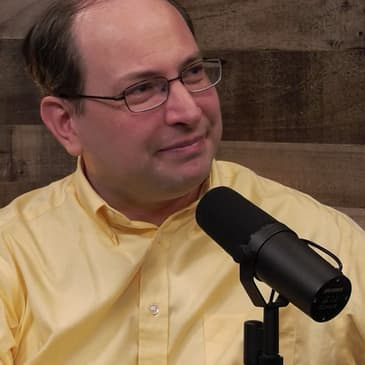
Jenny Beth sits down with policy expert Phil Kerpen to discuss some of the many policy battles they have fought together over the years. Phil is the President of American Commitment and The Committee to Unleash Prosperity.
www.committeetounleashprosperity.com
Twitter/X: @kerpen | @jennybethm
[00:00:00] They did not in any meaningful way reduce COVID outcomes and they layered a second pandemic,
[00:00:06] a man-made pandemic on top of the viral pen. And Dr. Atlas said that Fauci would walk into
[00:00:12] the White House Task Force meetings and say people aren't scared enough, we need to scare them more,
[00:00:16] we got to panic them. So they were intentionally doing the exact opposite of what leaders are
[00:00:21] supposed to do in a crisis. Keeping our republic is on the line and it requires patriots with
[00:00:27] great passion, dedication and eternal vigilance to preserve our freedoms. Jenny Beth Martin is the
[00:00:33] co-founder of Tea Party Patriots. She is an author, a filmmaker and one of Time Magazine's most
[00:00:39] influential people in the world but the title she is most proud of is mom to her boy girl twins.
[00:00:46] She has been at the forefront fighting to protect America's core principles for more than a decade.
[00:00:52] Welcome to the Jenny Beth Show. Phil Kurpin is the president of American Commitment and one of the
[00:00:57] smartest policy experts I know. He is an author and a veteran of conservative politics where he's
[00:01:03] focused on health care and economic policy. Along with art laffer, Steve Forbes and Steve Moore,
[00:01:10] Phil launched the committee to unleash prosperity to fight for free markets, lower taxes and
[00:01:14] limited government. Almost every single time Tea Party Patriots action fights against big
[00:01:19] government, Phil is right there fighting with us. When we rallied on the west lawn of the United
[00:01:24] States Capitol and in front of the United States Supreme Court, Phil has always been willing to
[00:01:29] stand beside us as we make our voices heard. Phil, thank you so much for being here with me today.
[00:01:35] You know, the Biden administration really loves government control and one of the latest
[00:01:40] things that they're doing is trying to force us all into electric vehicles. You've been working
[00:01:46] fighting against that, haven't you? Yeah. I mean, I think this is probably the biggest of the regulatory
[00:01:52] issues, the one that's going to have the biggest negative impact on the economy and on people's
[00:01:56] lives. And it's pretty astonishing kind of the, you know, you've got all these, they've issued
[00:02:04] a few different versions of their what amounts to a ban on gas vehicles with different phasins.
[00:02:08] And you know, you've got California now which officially is going to completely ban
[00:02:12] gas powered vehicles in 2035 and 10 other states are following them.
[00:02:16] And is the grid ready for that in California? Oh, no. Within a week of when they issued that,
[00:02:23] when Governor Newsom issued, we're going to 100% mandate. They actually had one of their famous,
[00:02:29] you know, brownouts and power shortage. And they actually issued an advisory saying,
[00:02:34] do not charge your vehicle because we've got a grid advisory. So they didn't see any
[00:02:39] connection between the two, which I found kind of amazing. But that's Biden policy as much as they
[00:02:45] say, oh, it's the state. No, no, Biden issued a waiver that allowed California to issue that because
[00:02:49] it's interstate commerce, the auto market, it's federal jurisdiction. They can only do that
[00:02:53] because Biden gave them a waiver. And then of course he issued his national standards,
[00:02:58] which are basically the exact same mandate schedule as California, but just two years later.
[00:03:03] So if you follow his stand, he'd get to a full ban by 2037. And he's got it in his mandates,
[00:03:09] the national mandates through EPA that Biden issued. He's got a mandate that we go down to only 64%
[00:03:16] of vehicles being gas powered internal combustion vehicles by 2027 model year.
[00:03:22] Then he goes all the way down to 30% for 2032 model year. And that's the last year he shows.
[00:03:27] But if you look at it, it's the exact same phase in that they have in California that takes
[00:03:32] you down to zero, to a total ban on internal combustion vehicle.
[00:03:36] What is the percentage right now?
[00:03:38] It's about 85%.
[00:03:40] So 85 to 64 in two years basically.
[00:03:46] So here's what's going to happen. Even in the early years of this, even in the early
[00:03:50] years of this, because they're limiting by regulation the number of internal combustion
[00:03:54] vehicles that could be sold as a percentage, they're going to become much harder to find.
[00:03:59] And if you do find them, they're going to be very expensive because there won't be an internal
[00:04:04] combustion vehicle available for everyone who wants one. So some people are going to have to go
[00:04:08] without and the people who can get it, they're going to be competing with everyone else who
[00:04:12] wants one. So prices are going to go haywire.
[00:04:14] It's either that or this could also affect it. It could be a little bit different, although
[00:04:20] it may not work financially. I don't think either way it works financially.
[00:04:24] They could wind up just producing even more. So they produce the same number of gas powered cars
[00:04:32] and then they just have to produce on top of it to meet their percentages because people aren't
[00:04:37] buying these electric vehicles, they're sitting on the lot. I mean, I know people are buying them,
[00:04:41] but they're not buying them the same way they bought gas powered ones.
[00:04:45] They were increasing very quickly. And this often happens with the new technology
[00:04:50] that fits some use cases, but not all. Is it can increase very rapidly and then what the advocates
[00:04:57] of this sort of what they call this transition have said as well, if it doubled in a couple
[00:05:02] of years, it'll keep doubling. But that's really not what happens. And in fact, we've now seen
[00:05:07] Tesla actually posted a negative quarter. A year on year their sales went down for the most
[00:05:13] recent quarter. That was the first time that's happened to them and I think three or four years.
[00:05:17] And so most of the people who want an electric vehicle have one at this point.
[00:05:22] And so I don't think you're going to keep seeing this rapid growth. And in fact,
[00:05:25] dealers are saying the exact same thing that you're saying they're saying we've got EVs piling
[00:05:29] up on our lots. Those are not vehicles that people want. We're having difficulty even with
[00:05:34] the current level of federal requirements. And so they basically beg the Biden administration
[00:05:42] to back off and the proposed mandates were a little bit worse than the final, but they
[00:05:46] really didn't change that much. And so they're still trying to really force
[00:05:52] people out of gas cars. And this is, again, we're going to have a Senate vote on this
[00:05:56] in the month of April. It was promised Schumer that in order to get
[00:06:00] Republicans to let the most recent government funding bill go through,
[00:06:04] Republicans had been saying this is the amendment we have to have is an amendment to ban
[00:06:09] the EV mandates and being smart Schumer said no, because he doesn't want to put it on
[00:06:15] a bill the president has to sign. If it does get through the Senate, he wants it to be on
[00:06:19] something that could be vetoed. So they ended up kind of taking it towards the midnight. This was
[00:06:24] on a Saturday a couple of weeks ago. And then the deal that was made was we'll allow the vote
[00:06:28] when we come back in April, but it'll be a standalone vote. And so we are going to have
[00:06:32] a vote. It's going to be a 60 vote vote. I don't believe we'll get to 60 votes.
[00:06:36] But it'll be very interesting nonetheless to see every Senate Democrat put on the record on whether
[00:06:41] they want to stop these mandates or not, especially the ones who are in cycle. And so I'm going to be
[00:06:46] watching very closely a lot of these Democrats. Good. I worked for a paper company when I first
[00:06:52] got out of college and I worked at a paper mill. And the state where the paper mill was required
[00:07:00] a certain amount of air pollution coming out of the paper machine. These are massive. It's
[00:07:05] a factory paper machine is a factory. So coming out of this factory, you can only have a certain
[00:07:11] amount of pollution per paper machine. So the wound up in order to comply with the regulation,
[00:07:20] adding another paper machine, increasing the total output of air pollution, essentially it's air
[00:07:28] pollution, the output from the factory so that per machine on average it was lower. And I think
[00:07:36] that that's why it was like you never know they could wind up still making the same number of cars,
[00:07:41] but you wind up with a whole bunch of cars. Nobody that people don't want sometimes regulations
[00:07:46] have unintended consequences that you can't even imagine until the market forces begin working.
[00:07:53] Yeah, look I mean I think it's very dangerous to have government decide what you can and can't buy
[00:07:58] and what can and can't be produced. We've been fighting that since we met.
[00:08:04] Yeah, I mean look one of the lessons of the 20th century is that central economic
[00:08:07] planning doesn't work. I mean you can't foresee what people's tastes and preferences are going
[00:08:11] to be as a bureaucrat sitting somewhere making these numbers up in a spreadsheet because
[00:08:17] the way markets work is they aggregate information across million preferences with
[00:08:22] million different people and you can't replace that mechanism with you know something. I mean this is
[00:08:27] there's a reason there were empty shelves in the stores in the Soviet Union. I mean you
[00:08:31] can't plan these things it doesn't work and it's very unfortunate that they haven't learned this
[00:08:36] lesson and even more recently on the specific issue of electric vehicles, there was a recent
[00:08:42] pictorial that showed these vast fields in China of subsidized electric vehicles that
[00:08:48] were produced that then had no buyers and they're just sitting in fields now with vegetation growing
[00:08:52] up around them and it seems like we look at that and say oh we want to do that too which is a very
[00:08:57] strange thing to do when you're looking at that. Well and if you care about the environment
[00:09:01] that does not seem good for the environment to have a whole bunch of electric vehicles just
[00:09:05] sitting around with vegetation growing over it. The green groups the environmental movement
[00:09:11] and sort of the the environmental left has actually sacrificed everything that they used
[00:09:16] to care about to their obsession with climate and so they went from like save the whales to hey
[00:09:22] we don't care how many whales are killed by offshore wind projects because all that matters
[00:09:25] is climate. I mean and similarly their obsession with electric vehicles I think is very bad
[00:09:30] environmentally if you care about anything other than climate. Yeah there was just an
[00:09:35] article in the Hill newspaper actually yesterday that up to one-third of the great apes in
[00:09:41] Africa may be killed by EV battery input production there and so I mean it's
[00:09:49] they went from you know they went from the people who love nature to the people who don't
[00:09:53] care if all the whales and apes die if you know they get the green technology they want.
[00:09:57] Which is exactly opposite of what we heard growing up with some of the slogans that we heard.
[00:10:04] You and I have been fighting government control since I first met you. The first
[00:10:10] issues we were engaged in were fighting Obamacare and the government takeover of healthcare.
[00:10:14] Yeah it's interesting the president the president Biden was actually tweeting just yesterday about
[00:10:20] you know his great success in signing millions and more people up for Obamacare and if you look
[00:10:24] at what's happened in the last few years Biden believe it or not made Obamacare a lot worse
[00:10:30] from the taxpayer perspective which is kind of hard to do. How did he do that? Well what he
[00:10:34] did is as part of his COVID response what he did is he changed the premiums that lower income
[00:10:41] people pay for Obamacare from about 2% of their income to zero and so taxpayers now pay full
[00:10:49] freight 100% of the cost for people who are under 150% of the federal poverty level for their
[00:10:54] Obamacare and that's over $20,000 per enrollee. So taxpayers are paying over $20,000
[00:11:01] per enrollee for people to get free Obamacare and the millions of people who signed up were not
[00:11:06] previously willing to pay you know 2% of their income. So they value these plans so little they
[00:11:12] think they're so not valuable to them that they weren't willing to pay you know $20, $25 a month
[00:11:17] for them but they'll take it for free if they're signed up and now the insurance company
[00:11:24] gets you know $20,000 plus from taxpayers and so the insurance companies of course love
[00:11:28] this and they're doing a big lobbying push to extend it but it's a very it's kind of a pathetic
[00:11:35] situation and the president's bragging about it and of course because they style the subsidies as
[00:11:42] tax credits even though no one ever gets a tax credit it goes straight to the insurance company
[00:11:46] he can say oh I cut taxes this is the way they twist language also and so Obamacare
[00:11:53] is not delivered on any of the promises that were made any of them essentially what it became at the
[00:11:59] end of the day was just a massive expansion of taxpayer funded health care for you know huge
[00:12:06] number of people were put on the Medicaid rolls Medicaid the data's not even clear that Medicaid
[00:12:11] enrollment improves health outcomes there's some studies that show it doesn't that's how poor
[00:12:15] the quality of care is in Medicaid and you know most high quality providers try not to take
[00:12:22] it because of the headaches of dealing with it in the low reimbursement rates
[00:12:26] I've been very disturbed at about how our health care system overall performed the last few years
[00:12:34] we had all of these articles about how overwhelmed the hospitals were during COVID and then you look
[00:12:39] at the utilization statistics and they were actually record lows in every metric right and so
[00:12:44] you had people not getting health care you had people dying and not getting health care
[00:12:48] and the hospitals changed their business model to just farming subsidies just getting government
[00:12:51] money getting this is that that's that's the business they're in now um and a hospital would be
[00:12:58] overwhelmed if you shut down everything but one wing of the hospital and you have five employees
[00:13:03] were I know that's a little bit of an exaggeration they had mass layoffs they had mass layoffs on a
[00:13:08] sector-wide basis if you look at what happened in health care employment plunged dramatically
[00:13:12] and they were laying people off and by the way a lot of these hospitals in the middle of a
[00:13:16] pandemic they're laying off healthcare workers a lot of these hospitals did is they laid off a lot of
[00:13:20] their nurses and then when utilization started to come up they had to hire travel nurses they spent
[00:13:27] you know much more I mean just a lot of irrational decisions were made and you know one of the
[00:13:32] really bad trends in American health care is this consolidation trend everything's part
[00:13:36] of a giant hospital system now you got a lot of towns where you know basically if you see
[00:13:41] any kind of healthcare provider it's going to be part of one system maybe two systems and these
[00:13:47] systems are very bureaucratic and so they've got a little the doctors have to go along with whatever
[00:13:51] the you know the the the bosses on hire telling them to do which I think has been very bad for
[00:13:56] the practice of medicine was was very bad during COVID in particular where we got almost
[00:14:01] everything wrong and sort of the official narratives and so people who are employees
[00:14:05] of these big systems weren't weren't going to speak out about any of that and you know they've
[00:14:10] got the clout to have huge political influence in a lot of places they're the biggest employer in
[00:14:15] the town or maybe even the biggest employer in the congressional district and so they are able to lobby
[00:14:20] for you know things like those supersized Obamacare subsidies and big bailout payments and
[00:14:26] I actually think that there is not enough ambition on the right about healthcare I think that
[00:14:33] there is an appetite among our base for basically blowing up all of it you know not just taking
[00:14:40] taking on the big bureaucracy in government but the hospitals the insurance companies the pharmaceutical
[00:14:44] companies they kind of say we're gonna you know I don't think any healthcare reform could be
[00:14:49] radical enough I think we need to be thinking much bigger and saying you know we're gonna
[00:14:53] we're gonna take on these entrenched interests that are driving this consolidation and this
[00:14:59] corruption and get back to independent physicians and paying them out of your own pocket and getting
[00:15:06] that we should be our guys should be thinking very big and I think there would be an appetite
[00:15:12] for it and I fear that we could ever Republicans win the House Senate and White House again like
[00:15:18] they did in 2016 and then not not have a plan not not have anything on healthcare.
[00:15:23] I think that you have that your fear is founded in reality because we've just seen exactly in 2017
[00:15:32] there was no plan. I'll never forget the quote that former senator Pat Toomey had when he was asked
[00:15:38] you know why don't you guys have a healthcare plan and he said we thought Hillary was going.
[00:15:42] It what it it's just it's crazy it's just crazy and one of the things I've been
[00:15:48] sounding from the rooftop is you better be ready because if we are fortunate enough that the American
[00:15:54] people vote for Trump to be back in the White House and for Republicans to control the House and the
[00:15:59] Senate from inaugural day until early voting starts in 2026 it's 20 months that is it 20
[00:16:07] months it's not very much time at all and if you're not ready to start passing let you've got
[00:16:12] to have the legislation ready now so you can bring it bring it up bring it through committee
[00:16:16] do whatever amendments need to be done the debate on it and get it passed and signed into law
[00:16:21] because you can't depend on the time after midterms you have no idea what's going to happen
[00:16:26] happen after midterm elections. Yeah I think that's right I mean look I mean they've got a few
[00:16:31] things that they have to do um I mean we can make the list but you're right I mean they've
[00:16:36] got to have this stuff lined up and ready to go and um you know no excuse you see what
[00:16:42] Democrats do when they get in I mean they just they just push through one thing after another and
[00:16:47] you know if even if it caused them to lose politically they say okay it was worth it we got what we
[00:16:51] wanted and uh what tends to happen when Republicans win is oh I'm not sure we should do that people
[00:16:56] are going to be angry about it and then they end up and and even on the administrative side you
[00:17:00] know even the things that the president can do unilaterally it's going to be a heavy left
[00:17:04] to get things done and their landmines everywhere I mean they just the the Biden
[00:17:08] administration just finalized a regulation out of OPM to prevent the next president from firing
[00:17:14] people who undermine his policy agenda so now they've got an extra layer of deep state protection
[00:17:19] so if Trump does come in he's got to undo that rule first before he can actually fire anyone
[00:17:24] and so they they know they they know what they're doing they're trying to slow things down
[00:17:29] we need to be very aggressive and move very quickly I think uh to the extent we can absolutely
[00:17:35] when we're talking about healthcare one of the things that drives me crazy when I go to a doctor
[00:17:41] is it they'll just look at a computer screen and they're asking you questions on the screen
[00:17:45] and you're basically just an algorithm they just want to know where you fall and then they
[00:17:49] read the screen to tell you what's wrong rather than looking at the patient touching
[00:17:53] the patient feeling the patient and having a real doctor-patient relationship it's some
[00:17:57] computer program that decides whatever it may or may not be it it's just and perhaps that can help
[00:18:07] catch things so I'm not diminishing the fact that that sometimes answering all those questions may
[00:18:13] may give warning systems to what else might be going on with the patient but you can't
[00:18:19] just look at the screen and ignore like a a gaping gash on their arm or something and not
[00:18:25] treat it and sometimes I think they just it's all bureaucratic and there's no real
[00:18:32] there's no customer service there's no doctor-patient relationship they don't care about the cost
[00:18:36] you said people pay twenty thousand dollars for health insurance and then they still have to
[00:18:42] meet a deductible and then they still have to pay for whatever comes after that it would be cheaper
[00:18:47] just to pay a doctor when you see a doctor yeah I mean I think that this is kind of one of
[00:18:53] the interesting trends that's going on right now is we are seeing a big growth of direct primary care
[00:18:57] where doctors say I'm not doing insurance I'm not doing any of the government programs you know
[00:19:02] you'll pay a fee to me and I'll treat you when you need it and a lot of people are doing that even
[00:19:07] if they even though their insurance doesn't cover it and they haven't they're just paying
[00:19:11] extra because they want to have that access and they want to cut that bureaucracy out and so
[00:19:15] one of the things I would like to see is an expansion of health savings accounts and
[00:19:20] you know the eligibility of those kinds of arrangements so that people can use pre-tax dollars
[00:19:24] for that and you know I think I don't think we're ever going to get away from massive amounts of
[00:19:30] tax dollars going into health care I think that's out of the bag but I think we could get so much
[00:19:34] more value for it if it were structured in a way where people control the dollars and they have
[00:19:38] choices instead of the money going directly to insurance companies which is what we have now
[00:19:42] yeah and when it goes directly to insurance companies it cuts a customer out the insurance
[00:19:48] companies to become the customer to the government rather than the people who are paying for the services
[00:19:54] well and they can keep raising they can keep raising their prices and almost nobody sees it
[00:19:58] right you pay it on your taxes right it's you know it's awful uh covid you and I were some of
[00:20:07] the first people outgoing we can't shut down the government we can't do all of these things
[00:20:11] we've got to reopen the government we have to reopen schools what do you think four years
[00:20:16] looking back yeah I actually recently did a pretty comprehensive exercise on this uh paper that I wrote
[00:20:22] with Dr. Scott Atlas, Casey Mulligan and Steve Hankey so I had like three big time heavy hitters
[00:20:30] from like Stanford University of Chicago and Johns Hopkins and I was kind of like the
[00:20:33] earned boy who put all their great stuff together so that was actually um that was a pretty great
[00:20:38] honor being part of that and if people people want to see it it's on committee done leash
[00:20:42] prosperity dot com that's the other group that I work with and we went through kind of all of the
[00:20:47] facts in the data not about the models or the theories of what would happen but what actually
[00:20:51] happened let's go check let's let's see who was right let's see what actually happened
[00:20:56] and the evidence is pretty overwhelming that you know even setting aside the fact you see I
[00:21:03] would be I would have been against the lockdowns and the mandates even if they worked for stopping
[00:21:06] COVID because to me they violate basic principles of civil liberties and choice and constitution so
[00:21:13] I mean set aside for a second the fact I would have been against them anyway but just on their
[00:21:17] own terms in terms of accomplishing what they were supposed to do they failed spectacularly
[00:21:23] they did not in any meaningful way reduce COVID outcomes and they layered a second pandemic
[00:21:29] a man-made pandemic on top of the viral pandemic and that man-made pandemic was one of fear and
[00:21:36] panic and lockdown and societal disruption and that pandemic has killed about 100,000 people per
[00:21:44] year now for four years so we've killed about 400,000 people from our pandemic response
[00:21:51] that's and and we didn't do it's not like we did that but we saved a million people from
[00:21:56] COVID at the same time we had basically no effect on COVID while we layered that man-made
[00:22:01] pandemic on top and that's really really tragic I mean I don't even know it just it's
[00:22:07] and it was foreseeable I think um and you know if you want to say that maybe the lockdowns
[00:22:13] did save some lives uh and the best empirical evidence is that it's maybe something around
[00:22:18] 10,000 lives so you maybe saved 10,000 lives and you killed 400,000 people so that's 390,000
[00:22:24] in a year it's not close it's not a close call it was overwhelming the evidence that this
[00:22:31] response was a disaster and we even have some confessions now I mean Francis Collins who was
[00:22:35] the NIH director there's this video of him that's been been circulating where he says something along
[00:22:40] the lines of yeah we assigned an infinite value to preventing a COVID death and a zero value
[00:22:46] to any of the harm that we're creating you say you know how did you do what and then
[00:22:50] he's like and then he said that and he said that was a mistake so you think so right you know it's like
[00:22:54] it's like you kind of should have been obvious that that's not the correct decision right um
[00:22:59] and in fact if you look at sort of the planning documents the the pandemic planning documents
[00:23:04] before this happened all of them stressed keep society well functioning calm people down
[00:23:10] if they're panic don't stoke panic and dr. Atlas said that Fauci would walk into the
[00:23:14] white house task force meetings and say people aren't scared enough we need to scare them
[00:23:18] more we gotta panic them so they were intentionally doing the exact opposite of what leaders are supposed
[00:23:24] to do in a crisis which is calm things down even had um a pandemic response but prior to 2020 which
[00:23:32] they had modified it like they started to put it out and they modified it and they made sure that
[00:23:37] the response was to keep schools open like you're supposed to keep schools open even in the middle
[00:23:43] of a pandemic unless children are actually dying I remember the original CDC schools document because
[00:23:52] I shared it all the time because I thought it was good yes right and and it was you know it was kind
[00:23:56] of like if you need to close for a couple of days for like deep cleaning or if there's a huge outbreak
[00:24:01] in the school that might make sense and then it was basically like here's why prolonged closures are
[00:24:05] bad and all these reasons right you know it's like the educational harms but also you know
[00:24:10] they're going to be cared for maybe by a grandparent you're gonna have you're gonna have
[00:24:12] other less structured settings we have more transmission it kind of kind of like all the
[00:24:16] arguments that we made right they made right they originally said it wasn't like some secret
[00:24:23] unknown thing they originally said it and you know I'll never forget the sequence of events
[00:24:28] in that summer of 2020 because I actually thought we were going to be in a good place
[00:24:33] for schools in the fall because I remember the American Academy of Pediatrics came out with
[00:24:39] the original version of their guidance which was basically like school's the most important thing for
[00:24:44] kids they need to be in school it's not a high-risk setting don't worry about masks and elementary
[00:24:50] where they probably can't wear them anyway don't worry about six feet distancing it's better to be
[00:24:54] less than that than to have kids sitting at home it was like a really good document it was
[00:24:59] and so I'm sharing that ever hey 60,000 pediatrician the official that's and then
[00:25:04] Trump came out and said the same thing and within a week the American Academy of Pediatrics did 180
[00:25:13] degree reversal in a literal joint statement with the teachers unions they were like we the pediatricians
[00:25:18] and the educators think schools should be closed if there's COVID around and I was like this is
[00:25:23] and that's when I realized this is uh this is going to be exploited politically and then
[00:25:27] Biden started running TV ads your kids are not safe in schools because of Donald Trump
[00:25:32] and then even when Biden came into office remember and and there was this expectation
[00:25:36] that okay Biden's in now they're gonna you know call off the dogs and the schools are all going to
[00:25:40] open again they said they didn't do that instead they ran a play where basically they said we're
[00:25:46] going to shake down taxpayers for another hundred fifty billion dollars of k-12 and we're
[00:25:51] not going to open the schools unless and less taxpayers pay up and they basically held
[00:25:55] kids that were in the blue areas that actually were listening to this guidance
[00:25:58] they held them hostage for another couple of months into 2021 until they could shake down
[00:26:04] taxpayers some kids last said entire school year yeah and the beginning of 2020 the 2021 2022 school
[00:26:12] year was not completely normal there were a few places that even at closures yeah even that next
[00:26:17] year um you and I were at the White House together in July in 2020 with the American
[00:26:25] Academy of Pediatrics and teachers and others the crazy thing about that that with the White House
[00:26:31] schools forum is I brought my daughter to that yes and I brought my kids you know and and so she
[00:26:38] she's at this White House thing and all day long she gets to listen to like 100 experts
[00:26:44] school should the kid should be in school full time it's the most important and then like
[00:26:47] two days after that we got a thing from our principal that was like we're changing from
[00:26:50] five days to two days you're really two days away and so like she was that whole basically that whole
[00:26:56] they never went full time that year they were two days and then they were eventually four days but
[00:27:00] they never got to five uh and so she's like I just heard all this she's like what's even like I
[00:27:06] just went the thing with every single expert and so I mean I don't even know how she dealt
[00:27:10] with that but it was I I thought it was absurd political exploitation of you know
[00:27:18] basically 75 million school children for uh by the basically by the teachers unions and by the
[00:27:25] Democrats who saw this as a campaign issue and it also was a really interesting example of the
[00:27:32] deep state problem because you could watch Trump speak and you could watch Robert Redfield speak
[00:27:38] and they say all the schools should be open it's very important they're going to be the
[00:27:41] harms are going to be massive if they're not and then you go on the CDC website
[00:27:46] and it was like here all the reason school should be closed and you're like this guy doesn't control
[00:27:50] his own agency right I mean it was it was clear that Redfield did not have control of his own
[00:27:56] agency no he didn't well and that's part of why they're passing the new regulations right now
[00:28:05] to prevent prevent firing government employees because they they don't want someone like Redford
[00:28:10] to come in and actually have control of them and and we all learned so much about what
[00:28:15] happened with the bureaucracy during the during COVID that the CDC is an especially problematic one
[00:28:22] because um see normally agency rules and major guidances go through a review process at the
[00:28:28] White House through OMB but CDC doesn't submit any of their stuff to the White House because it's all
[00:28:35] supposedly non-binding guidance right they didn't say they didn't we didn't do any rule making
[00:28:40] we're just suggesting but as we all saw you know all of your local authorities in all of your states
[00:28:47] they basically say we got to do what the CDC says yeah and so they effectively were were
[00:28:52] dictating to the whole country and it was bureaucrats that the political appointees couldn't
[00:28:56] control and they weren't submitting their stuff to the White House they just post it
[00:29:00] there were above checks and balances every everywhere it was a massive problem and
[00:29:05] you know at the same time on the NIH side you've got the guys Collins and Fauci who control you know
[00:29:13] 45 billion dollars of taxpayer funding of all the grant money that funds almost all the signs
[00:29:18] that goes on in this country they're calling the shots on the lockdown narrative and assigning
[00:29:23] an infinite value to a COVID life and a zero value to any other harm and you know who is
[00:29:29] going to disagree with that when they control all the grant money and so that's another huge
[00:29:33] problem that we have where we have sort of publicly facing policy making people who control the flow
[00:29:38] of the grant money that the people who give out the grant first of all I think there's way too much
[00:29:42] about the grant money for a second let me talk about spending you know keep going and then we're
[00:29:46] going to get back to that and first of all there should be a lot less of that and it should
[00:29:50] be decentralized instead of having you know 10 universities that get 800 million dollars each
[00:29:56] it should be much less centralized than that and there should be much less of it period but
[00:30:01] the people who are in charge of giving out grants should not be famous people who are on
[00:30:05] TV taking policy positions it should be people nobody ever heard of who are deciding on the merits
[00:30:10] right and where does the FDA fall is it separate from the NIH as well yeah it's
[00:30:17] it's uh it's sort of its own all of these agencies are technically under HHS but it's
[00:30:23] its own it's its own entity and the FDA gives out grants as well right um or do you know if they
[00:30:31] do I don't know if they do I don't know if they do grant money but you know the the FDA
[00:30:38] you know we've got a big problem with their with their with their in two ways you know it's
[00:30:43] it's and to me the biggest FDA the biggest evidence of how corrupted FDA is was when they
[00:30:53] paused the johnson and johnson vaccine for a week and they said oh no this is causes blood clots we
[00:30:58] need to pause it for a week and then like you pulled up the data on blood clots and it was basically
[00:31:02] the same rate for all the vaccines right like why are they choosing this and it was basically because
[00:31:07] they perceived it as a republican company and you know woody johnson was a trump ambassador and it
[00:31:12] was like you know we can stick into these guys because we can I think you know maybe there
[00:31:17] was some merit to it I think that's basically what they were doing and you know you've got a
[00:31:21] situation at the FDA where you know bringing a new drug to market can cost like a billion dollars to
[00:31:28] do all of the all of the studies and to go through their whole regulatory process and
[00:31:34] they're only a handful of companies that can do it that like can navigate the bureaucratic maze over
[00:31:39] there and so you know you've got to be it's got to be Pfizer right it's gotta be you know it's
[00:31:45] got you've got to be you know you've got to be one of the companies that actually knows how to
[00:31:49] navigate that process and the the FDA became completely politicized under biden they approved
[00:31:57] boosters that their own the head of their vaccine division said that shouldn't be approved on the
[00:32:03] day before she ended up resigning in in in you know she ended up resigning actually their top two
[00:32:11] vaccine officials resigned based on wide-dose interference pushing boosters through and
[00:32:17] it was like a two-day state was like not even a two-day no one cared I'm like if the if something
[00:32:21] like this happened in Republican administration it's would have been like the scandal of all time
[00:32:25] and they just did it and basically no one cared I mean I would like to see
[00:32:31] I think that if you can warp speed this you can warp speed everything I'd like to see that
[00:32:36] bureaucracy cut dramatically I think that we've got to have instead of having you know billion
[00:32:42] dollars worth of crazy testing and all this kind of stuff just do one study do it well be totally
[00:32:48] honest about what it shows and then let people decide if they want things or not you don't have to
[00:32:52] have uh you don't have to have these massive bureaucracies that only a few that only a few
[00:32:57] companies can navigate and then at the end of the day the decisions are made politically
[00:33:01] anyway by someone dictating from the White House so what was the point and we know they were
[00:33:06] political because we've we have evidence of it but even like the six-foot rule or even masking well
[00:33:12] Fauci admitted that the six-foot rule was based on nothing I mean they just think and and the
[00:33:18] and the whole rest of the world was going with one meter which is like half of it's like three feet
[00:33:23] so you're like where you're like did somebody just double it but for fun I mean why was the U.S.
[00:33:28] why was the U.S. twice what what the other countries and in my kids school they did open
[00:33:35] but they did one of the there's so many dumb things I started to see one of the
[00:33:39] domestic I had to just correct it because there's so many dumb things that people did they would say
[00:33:44] oh someone tested positive you tested positive then they get a ruler out and measure whether
[00:33:49] the child had sat near the person or not and my daughter wound up missing her birthday at school
[00:33:56] her senior year of high school because she was within she was five feet instead of six and
[00:34:03] it was all for nothing it was a lie it was a lie do you know what percentage of kids got COVID
[00:34:08] 100% yeah they all did it was it was the idea that you were ever going to prevent that from happening
[00:34:14] or should have even tried and kids were the barrier they helped they well they there's where
[00:34:19] transmission chains tend to terminate because adults infected kids very easily it was difficult
[00:34:24] for kids to infect adults although kids could infect other kids but and they were dying from
[00:34:29] it they weren't dying from it there was essentially no harm from that I mean we had that evidence very
[00:34:33] early we had that evidence from Europe in like April 2012 yes yes so I think it was crazy what they
[00:34:39] did and by the way almost all the transmission was aerosol which means the distance didn't
[00:34:44] really matter at all if you were in the same room you might have breathed it in so that was
[00:34:47] a whole crazy thing it ended up being based on nothing um the I could just my hands seem
[00:34:56] bawling them up and fist because they just get so upset when I think about what you want to do
[00:35:00] you want to get even crazier there was a there's a crazy zero COVID columnist for the Guardian
[00:35:06] newspaper in the UK Debbie Schridar who wrote in her column the other day that she and other
[00:35:12] like-minded experts personally briefed President Biden at the recommendation of Anthony Blinken
[00:35:19] and they told him we need to lock down harder and faster next time that's the lesson
[00:35:24] that is a worse lesson that's a wrong lesson leave everything open it's a lesson
[00:35:29] other than New Zealand which is an island that was actually able to wall itself off from the
[00:35:33] rest of the world which no other country could actually do even if we wanted to
[00:35:37] the country in the world other than New Zealand with the lowest all-cause access death in the
[00:35:41] pandemic period was Sweden and they were the most no lockdown no school closures what they did is
[00:35:47] they gave people the best information they had and they let them make their own decisions and
[00:35:51] by the way social contact went down a lot in Sweden they didn't do it with any mandates or
[00:35:56] lockdowns or orders they just did it with telling people what's happening and people deciding what
[00:36:00] to do acting in their own self-interest at that point um at the event at the White House you
[00:36:06] know how you were talking about what happened with the American Academy of Pediatrics the
[00:36:11] head of it or the doctor who's in charge of it I don't remember her her name I went up to
[00:36:18] her she was there and I said really appreciate this guidance thank you so much and she said
[00:36:23] I couldn't believe how much hate we got from it I've had so many horrible
[00:36:31] calls and emails and then they went and changed it and that they didn't know what to do they did
[00:36:38] not know how to respond when because they're doctors who are not normally in the political
[00:36:44] environment like the rough and tumble of it that you and I wind up being in and and they caved
[00:36:50] they caved to the pressure and I lost so much respect for them I and almost almost all pediatricians
[00:36:57] I lost respect for yeah you know there was a there was a study uh there was a study uh
[00:37:05] I don't know maybe eight or ten years ago now that uh looked at you know like democrat versus
[00:37:10] republican among doctors by specialty yes and the ones that were the most democrat like all the way at
[00:37:15] the bottom of the list there were like 90 plus democrat it was like infectious disease doctors
[00:37:21] and pediatricians oh it doesn't surprise me the other end of the scale were surgeons who
[00:37:26] were actually majority republicans so I thought that was interesting people actually doing stuff
[00:37:30] right um and they have to be the ones who are willing to take the risk and uh
[00:37:35] to respect the doctor-patient relationship because it one size doesn't actually fit all
[00:37:43] government spending grants the government's just spending way too much money it it's yeah you know
[00:37:48] we had um we had what should be an object lesson right because during covid the government
[00:37:54] spent about six trillion dollars above normal just on extra emergency covid response it styled
[00:38:00] that way at least stuff and about 90 percent of that was financed by fed or reserve treasury
[00:38:05] purchases and of course we saw a huge bout of inflation as a result of that so I think people
[00:38:11] should be able to connect the dots in a way much more than they usually can where spending
[00:38:15] sort of over time maybe gradually has an inflation effect but this was huge burst of spending huge
[00:38:20] burst of inflation direct line connection and what the fed was doing it but should sort of
[00:38:24] obvious everyone right so you would think hey maybe this time we'll learn our lesson and uh we'll
[00:38:29] we'll bring spending back down to the pre-covid line and uh of course we didn't and if we were at
[00:38:35] pre-covid spending levels we would have a surplus right now uh based on the revenues that we have
[00:38:39] and of course we didn't go back uh to pre-covid spending in fact we didn't even go back to the
[00:38:44] projected baseline that we went to we went to a new baseline it's much higher than where
[00:38:48] we were before because uh this is sort of one of the stories of of history is usually it's a war
[00:38:54] this time it was a pandemic and a botched response but you know what happens is you have
[00:38:58] you have a crisis and you ever ratchet up in government spending and then it comes down some but
[00:39:02] never it's still much much higher than was before not just spending but power also
[00:39:06] intrusiveness authority and uh so that's what's happened I mean in the last fiscal year uh
[00:39:12] that that just ended though 2023 federal spending was a trillion dollars higher than it was in
[00:39:17] the last trump baseline so even after COVID what we thought it was going to be it's a trillion
[00:39:21] dollars more than that in one year you look at the 10-year and it's more than six trillion
[00:39:25] dollars more so we've got uh sort of from from just the increase in spending under Biden is like
[00:39:31] doing the COVID thing all over again in terms of the increase in spending and so it's over 10 years
[00:39:36] not over two years but why wouldn't it be expected to have the same inflation effect just you know
[00:39:41] you know not not all at once maybe not as obviously uh but I think we're likely to have
[00:39:47] chronic inflation problems I don't think we're going back to 2% inflation like they say
[00:39:50] we are I think we're more likely to be around 3 or 4% for the next few years and uh if we don't do
[00:39:56] anything to get federal spending under control we could chronically be at 6, 7, 8% inflation within
[00:40:02] the next 15 to 20 years because we've got baby boomers that are aging out and we have not
[00:40:08] we haven't reformed those programs and now we've got much more interest expense than we did
[00:40:12] before and so the federal budget outlook is not good and um I don't think they're going to
[00:40:19] do huge tax hikes I wouldn't want them to because that's terrible for the economy also so if you
[00:40:23] can't get spending under control and you're not going to do huge tax hikes you end up with inflation
[00:40:28] there's no free lunch right it it's something my parents taught me from a very early age
[00:40:34] but I think that a lot of people have forgotten that lesson Phil if people want to get involved
[00:40:41] and learn more about what you're doing I I think everyone should sign up for your email
[00:40:46] list and they should pay attention to you you understand these issues you understand the way
[00:40:53] congress works you know how to look for um fulcrums so we can make a difference with legislation so we
[00:41:00] have leverage to make a difference and you I met you when we're fighting Obamacare for the very
[00:41:05] first time and every time there's an expansion of government power it I can look to my left
[00:41:11] and right and I know you're almost always going to be there fighting it yeah I think I think we end
[00:41:16] up in a lot of the same places because we both try to focus on whatever the biggest threat is
[00:41:21] at an even time to you know sort of our freedom and our prosperity and uh there are a lot of
[00:41:26] them so we work out a wide variety of issues unlike some groups they get to you know kind
[00:41:31] of focus on one issue area but I think it's really important to get people focused on the big
[00:41:36] things and the big things where they might be able to make a difference and so that is what
[00:41:40] we try to do and if people want to follow uh I'll give you a few different websites American
[00:41:44] commitment.org is my main website the organization that I run I also work with a group called
[00:41:49] committee on leash prosperity and we do it a daily newsletter that goes out under Steve Moore's
[00:41:53] name so I would say you know go to both of those sites and sign up American commitment.org
[00:41:57] committee on leash prosperity dot com and I'm also an ex addict I'm on there like all the
[00:42:03] time so if you want my up to the second thoughts about this stuff but also you know
[00:42:08] baseball and whatever else uh you can follow me on there it's my last name Kerber.
[00:42:13] Very good well thank you so much for being with me we'll make sure that we put all of your
[00:42:17] links and your xid in the comments for the podcast as well or in the description for the
[00:42:22] podcast as well. Great thank you so much for having me. The Jenny Beth Show is hosted by
[00:42:27] Jenny Beth Martin produced by Kevin Mooneyham and directed by Luke Livingston. The Jenny
[00:42:34] Beth Show is a production of Tea Party Patriots Action. For more information visit TeaPartyPatriots.org
[00:42:44] If you liked this episode let me know by hitting the like button or leaving a comment
[00:42:48] or a five star review and if you want to be the first to know every time we drop a new episode
[00:42:54] be sure to subscribe and turn on notifications for whichever platform you're listening on.
[00:43:00] If you do these simple things it will help the podcast grow and I'd really appreciate it.
[00:43:05] Thank you so much.