
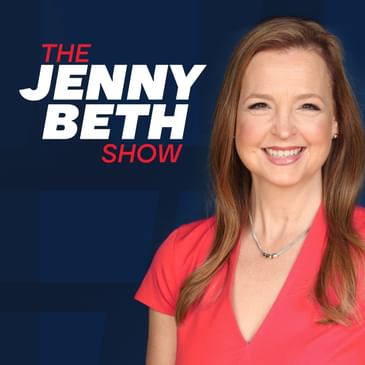
Guest: Cleta Mitchell is founder and chairman of the Election Integrity Network, which trains citizen volunteers in states across the country, runs the state election integrity coalitions, and publishes the Model Election Laws Handbook that legislators use to write election law. A longtime election lawyer, she worked on the Only Citizens Vote Coalition with Jenny Beth Martin in 2024 and will be at the Supreme Court on December 8 for the Arizona proof-of-citizenship case.
Key topics:
• A federal judge rules that Congress cannot make noncitizen voting a federal crime, and the Trump administration files an expedited appeal
• Sixteen foreign nationals charged with election crimes in Florida, Louisiana, Wisconsin and Minnesota
• What Election Integrity Network volunteers are hearing 28 days out, and the two things Mitchell asks every listener to do
• Vulnerable voters: how partisan groups register and harvest ballots in nursing homes, group homes and shelters
• The July guidance from the Centers for Medicare and Medicaid Services: residents keep the right to vote and the right to say no
• The toolkit at electionintegritynetwork.org, and what families can tell the facility where a parent lives
• Virginia's proposal to require a separate court finding before a voter declared incompetent loses the vote
• Why Mitchell says these groups see residents as groups of ballots rather than people
• Secretary Pete Hegseth's order that every unit hold a registration day before October 15
• Who is really using the overseas absentee ballot system, by Mitchell's count
• The Supreme Court blocks the Postal Service rule; vacant addresses, Georgia 2020 and Nevada's mass-mailed ballots
• Justice Alito's dissent and why so many challengers are granted standing without being asked
• Tyrants in black robes: the Constitution, citizenship, and the 18 states that put citizenship in their constitutions
• Why the SAVE America Act exists: the 2013 Arizona ruling and the bifurcated ballot
• A Citizens United parallel: will the Court revisit 2013 when it hears Republican National Committee v. Mi Familia Vota?
• The 90-day blackout: never eligible to be added, but not allowed to be removed
• The Kansas secretary of state nominee who says noncitizens should be able to vote
• Tuesday, December 8: Tea Party Patriots Action outside the Supreme Court, sign up at onlycitizensvotedc.com
• The census: restore the citizenship question, apportion the House by citizens only, count instead of estimate, and comment by November 2
• The Model Election Laws Handbook, and where to follow the Election Integrity Network
• Jenny Beth Martin's close: the choice this November and ten ways to volunteer
Timestamps:
00:00 — Cold open: a judge's ruling, 16 charged, and December 8
00:54 — Sixteen foreign nationals charged in four states; the Leibowitz ruling and the appeal
02:39 — The SAVE America Act and the 78.3 percent who want proof of citizenship
03:11 — December 8 at the Supreme Court: Republican National Committee v. Mi Familia Vota
04:02 — Cleta Mitchell joins: what her volunteers are hearing 28 days out
05:35 — Vulnerable voters: nursing homes, group homes and ballot harvesting
06:32 — The July guidance from Medicare and Medicaid: the right to vote and the right to say no
09:47 — How to download the toolkit at electionintegritynetwork.org
11:31 — Virginia's proposal for voters a court has declared incompetent
14:28 — Shine a light: deterring the groups that see residents as groups of ballots
16:10 — Oklahoma, law school, and a Democrat and a Republican watching each other
19:22 — Poll workers and poll watchers: how to get involved
22:04 — Military voters: Secretary Hegseth's registration day before October 15
23:40 — Who really uses the overseas ballot system
26:49 — Suing the states that let people who never lived there vote
28:31 — The Supreme Court blocks the Postal Service rule
30:24 — Vacant addresses, Georgia 2020, and Nevada's two million mailed ballots
33:17 — Justice Alito's dissent and the standing question
35:57 — The ruling: Congress cannot make noncitizen voting a crime
37:36 — Eighteen states with citizenship in their constitutions
38:50 — Why the SAVE America Act exists: Arizona, 2013 and the bifurcated ballot
42:40 — A Citizens United parallel: will the Court revisit 2013?
44:18 — The second question: removing noncitizens in the 90-day blackout
45:53 — The Kansas nominee who says noncitizens should vote
46:44 — Tuesday, December 8: Tea Party Patriots Action outside the Court
49:33 — The census: citizenship question, apportionment and the comment period through November 2
51:48 — California's seven to ten seats
53:15 — The 2022 admission: 14 states miscounted
57:08 — Where to follow Cleta Mitchell; the Model Election Laws Handbook
59:10 — Jenny Beth Martin's close: the choice this November
01:08:11 — Ten ways to volunteer at iwillsaveamerica.com
Links mentioned:
electionintegritynetwork.org
onlycitizensvotedc.com
helpatthepolls.com
iwillsaveamerica.com
friendshelpfriendsvote.com
jennybethshow.com
teapartypatriots.org
[00:00:00] Last week, a federal judge ruled that Congress has no power to make it a crime for a noncitizen to vote in federal elections. Yesterday, the Department of Justice charged 16 more foreign nationals with election crimes. And on December 8th, the left goes to the Supreme Court to argue that states cannot keep noncitizens off their voter rolls. So which is it? If Congress can't stop it and the states can't stop it,
[00:00:27] who makes sure only American citizens decide American elections? I'm Jenny Beth Martin and this is The Jenny Beth Show. Welcome to The Jenny Beth Show.
[00:00:53] Yesterday, the Justice Department announced charges against alleged noncitizens who voted in elections. The charges involved 16 foreign nationals charged in four states, two in Florida, three in Louisiana, one in Wisconsin and ten in Minnesota. Reporting says that every one of them held a green card. They came to this country legally and they were accused of voting in our elections anyway,
[00:01:19] or swearing that they were, which would mean that they were swearing that they were citizens so they could vote. Now, look at what happened on Thursday. The judge, um, David Leowicz appointed by President Biden throughout a federal case against a woman charged with voting as a noncitizen in 2020. He ruled that the Constitution leaves voter qualifications to state.
[00:01:48] So the 1996 federal law against noncitizen voting goes past what Congress is allowed to do. The Trump administration filed an expedited appeal the next day. If his reasoning holds, it reaches every federal case like the 16 that were announced yesterday who have been charged allegedly for voting as noncitizens. For two years, President Trump has said that there is no enforcement mechanism behind the ban on noncitizen voting.
[00:02:18] The legacy media has kept telling us that proof of citizenship was not necessary and was just redundant because citizens, because noncitizen voting is already illegal. Now a federal judge says it doesn't even, it isn't even illegal under federal law. That is a hole in our elections and the Save America Act, the nationwide proof of citizenship and voter identification bill would fill this hole.
[00:02:46] 78.3% of American citizens say you should have to prove you're a citizen when you register to vote. 67.8% of Democrats say this. Tea Party Patriots Action commissioned that poll from John McLaughlin and Associates in July. It's not a partisan idea anywhere in this country except Washington, D.C.
[00:03:10] On December 8th, the Supreme Court will hear the Arizona case, the Republican National Committee versus me familia vota. The justices are being asked two things. Can a state require proof of citizenship when you register to vote? And can a state remove confirmed noncitizens from the voter rolls in the last 90 days before an election? Tea Party Patriots Citizens, well, I'm sorry, not our Citizens Fund.
[00:03:39] That is our Super PAC. Our 501c4 Tea Party Patriots Action will be outside the court on that day. And we want you standing there with us. So I'll be talking to you about how to do that later in the show. But just in case you want details right now, you can go to onlycitizensvotedc.com. Onlycitizensvotedc.com. My guest for the whole hour today is Cleta Mitchell.
[00:04:04] She is the founder and chairman of the Election Integrity Network, which trains citizen volunteers in states across the country and publishes all sorts of resources like the model election laws handbook that legislators use to write election law. She has been on the show many times, and I can't think of a better person than Cleta to go through all of these details with us that I just went through 28 days before the election. So we're going to get into all of that with her.
[00:04:32] Cleta Mitchell, thank you so much for joining me again today. Cleta Mitchell, thank you so much, Jenny Beth. It's always great to be with you. So let me go to the first thing. Before we get into a bunch of the things I was talking about, your group has volunteers all over the country and 28 days out from the election. What are these volunteers telling you and what are you hearing that the rest of us around the country may not be hearing yet?
[00:05:00] Well, I think the most important thing is people want to know what they can do. And I will tell you there are two things that you can do. Number one, you need to be sure and vote. I presume that everybody who listens to the Jenny Beth show will actually be there voting. We urge people to vote in person on the first day that early voting is available in your state because we think that it's important for people to vote in person. And so that's what we urge everybody to do.
[00:05:29] That's the number one responsibility to vote. Make sure your friends and family vote. But the second thing that we have identified as something that and we encourage people to join us in this effort. One of the things that a lot of us have heard a lot about over the years, and it's something that the Election Terrorist Network has been concerned about, and that is the problem of the exploitation of vulnerable voters. And we talk about vulnerable voters.
[00:05:56] We're talking about people in nursing homes, people in group homes, homeless shelters, etc. And we know that left wing partisan NGOs go in and I said partisan on purpose because they say they're not partisan, but they're very partisan. And they go into these facilities and with these vulnerable people and they get them registered and then they harvest their ballots. And maybe the individual residents don't even really realize they're voting. They don't really know what's going on.
[00:06:25] And this happens over and over and over again. And one of the things we started looking at after in July of this year, Dr. Oz issued new guidance from the Center for Medicare and Medicaid Services, CMS, in which he said we want to protect the rights of these residents, these vulnerable residents in residential facilities,
[00:06:50] to be able to vote if they can and if they're competent to do so and want to do so. But they also have a right not to vote and not to have their ballots stolen or manipulated in their names. So we have created a toolkit to protect vulnerable voters, to implement the guidance from Dr. Oz at CMS. And we are urging people to go to our website.
[00:07:17] It's electionintegritynetwork.org to download the toolkit. We're working on a training video that it tells what you can do in your area and going to the facilities. You would be surprised. Many of these congressional races and even U.S. Senate races, statewide races, they're going to be decided by a handful of votes. It could be as little as four votes in a precinct.
[00:07:44] There are hundreds, sometimes thousands of ballots that are harvested from these residential facilities. This could make the outcome. This could make a difference in the outcome of the elections. We're not urging people to vote for or against a candidate or a political party.
[00:08:03] But what we don't want is we don't want these partisans, whether it's candidates or leftist NGOs, going in as they normally do with no pushback and being able to register and get people to vote. When sometimes they don't even really realize what they're doing. And we've heard heartbreaking stories after the election in 2020 from Wisconsin. And we hear it every time after an election. Oh, my gosh, I just found out that somebody got my mother to vote.
[00:08:33] She has had Alzheimer's for 10 years. She hasn't voted in 10 years. And somehow she cast a ballot. That's crazy. Now, under the new guidance, people can people must the loved ones, the personal representatives must be notified if the status of their loved one in a facility has changed in terms of registration or voting. And they can the personal representatives can file a complaint against the facility.
[00:09:03] And that has to be published if they find out even after the election that that their loved one has somehow been had their ballot cast in their name. So this may not seem like a lot, but we have a volunteer army going after all these facilities and making sure that they're protecting the rights of these vulnerable voters. We think it can make a difference across the country. So that's something that we're really focused on.
[00:09:31] And it's all made possible because the new guidance that repealed and rescinded the Biden guidance and replaced it with Trump guidance, which is let's protect the rights of these elderly citizens. Cleta, I think that's really important what you're doing with this vulnerable voter toolkit. I believe that my producer is going to be able to pull on the screen your website so we can show where you click to download it.
[00:10:00] When you click, you have to you go to the Election Integrity Network and that website is electionintegritynetwork.org. Then you click in the top left resources, click all resources, and then you've got to scroll down. And in the middle of the top row as you scroll down, so it's in the middle of the page, there is toolkit for protecting vulnerable voters. You can just click that and download it. So that's how you can get to it.
[00:10:29] And, Kalita, some people may be going, yeah, but I don't have to do a lot to protect vulnerable voters. The fact is, doesn't your toolkit have a page for families for what they can do individually? So we can protect the nursing homes at large as volunteers, but we also can look out for our own family members. That's 100% right.
[00:10:49] And if everybody would do that, that they, if people just need to let the management of the facility know, hey, you know, there's new guidance.
[00:10:59] And I want you to not, if you're, if you think that your loved one in a facility is not capable of voting, you need to tell the management that and say, I want to be notified if anybody comes in here and tries to register or cast a ballot in my mom's name or my dad's name or my, or adult children who are disabled.
[00:11:22] And honestly, we know we're onto something, Jenny Beth, because the new Democrat legislature in Virginia, they have the trifecta now. The Democrats have the House, the Senate, and the governor. And guess what? One of the things is that they have done.
[00:11:39] They are proposing to change the law in Virginia so that even if you are declared incompetent by a judge, that you're no longer able to take care of your affairs, manage your, your resources, your money, et cetera, you know, be responsible for your health responsibilities, that you have to have a guardian appointed.
[00:12:01] Do you, do you, do you, they are changing the law and there's no way to stop them because they, they have the trifecta that you have to have a separate declaration by a court that even if you're declared incompetent and unable to take care of your, yourself, you have to have a separate proceeding in order to not be able to, in order to have your voting rights taken away. And so somebody can say, I can't manage my money.
[00:12:31] I can't talk to my doctor. I need a personal representative to do all this for me. But that person can still vote unless the judge conducts a separate inquiry about whether or not the person should still be able to vote. And they're only doing that to make it harder to prosecute people who all go into those facilities where they might be residents who are not capable of taking care of themselves, but they want to be able to vote the vote in those people's names. That's what that's all about. It's really quite disgusting.
[00:13:00] Yeah, it, it, it is. And that's why we have to make sure that we're protecting it. And Cleta, you and I saw in 2020, just how, how much this was abused in, in maybe it was always being abused. And we just, my, my eyes were only opened after 2020.
[00:13:20] But it certainly is something that when I, when I think about these people in our society who are the most vulnerable, the people who are in a nursing home and there are loved ones and we trust that they are being cared for properly. I, I, I expect that they're not being abused and that their rights are not being violated, that their will, if a ballot, if someone's helping them fill out a ballot, it is truly their will.
[00:13:48] And it is not just some random person filling it out the way that person would want it filled out. And I, if something happened to me and I no longer was capable of filling out a ballot and I could no longer do that because mentally I couldn't do it. I don't want someone else voting, voting on my behalf. Like that, that would be completely wrong and would be a violation to me as well.
[00:14:15] So I'm very glad that your organization is working so much to protect these people. And a minute ago, I think you were talking about the, the federal agency saying that Medicaid and Medicare told nursing homes that residents have to keep the right to vote and the right to say no. I just want to pull that memo up that you were already talking about this from CMS before, correct? Correct.
[00:14:42] That's, that's, that is the guidance that came out in July of this year from CMS. And we're very grateful to Dr. Oz for his leadership on this. I just think it's really important for us to get the word out. So I've been urging that they put Dr. Oz on television and talking about this because it needs to be well known. And, you know, look, Jenny Beth, one of the things I, in your open, you talked about non-citizen voting.
[00:15:06] You and I learned in 2024, when we first started working on Always Citizens Vote Coalition, that one of the things we needed to do was to shine a big bright light on it because we wanted to deter bad actors. These are the, these left wing NGOs, they see people as groups of voters. They don't see them as, they see them as groups of ballots, really, groups of votes, not really voters.
[00:15:33] They don't see them as people, but they see them as collections of low-hanging fruit. And they did it with the non-citizens. And a lot of the NGOs had plans to, to really turn out the non-citizen vote for Biden in 2024. And I think that the work that we did in 2024 deterred a lot of that bad act, those bad actors.
[00:15:53] We're trying to do the same thing now with stopping this historic abuse of the most vulnerable in our society by partisan operatives who see groups of votes that they can just go in and basically harvest unilaterally.
[00:16:10] I will tell you, when I was in law school, one of the very first things I ever did in election integrity, and this is years ago, the law in Oklahoma was that, that you had the Beach County appointed an absentee ballot board. And it was our job, a Democrat and a Republican together going to nursing homes with a ballot box, with ballots. But you had the Democrat and the Republican watching each other. And that was the requirement. That's fine.
[00:16:40] What I object to is the situation. And there were a lot of those people in the nursing home who couldn't, they didn't know, they didn't have no clue. But the ones who did want to vote, we made sure that they got to make the decision. That's what needs to happen now. Yeah, it absolutely does. The people who want to vote should be able to vote.
[00:17:00] I think having two people, one from each party there to observe what is happening is the right thing to do, because it ensures that we can have faith after the election that everything has been done properly. And it seems, I think that you can correct me if I'm wrong about this.
[00:17:18] It seems like in some states, if I am correct, if a local election board is going out to a nursing home to help people vote, that there are some places where they do allow poll, essentially poll watchers to observe that happening in the facility. And I think that's how it should be everywhere in the country. If they're going into the facility, it's good that they're helping.
[00:17:44] But then there should be observers from each party available to watch and just make sure that that employee is not doing anything wrong. And if it were that way, I think we'd all have a lot more faith in the outcome of the elections. I think all of those things, transparency, everything about the election should be transparent, except how someone cast their ballot. That's the only thing that should be a secret. Everything else should be public and subject to observation.
[00:18:12] And I always say it's a really good idea when you have the Democrats, Republicans watching each other, because, you know, that's how you keep – it's really an important process.
[00:18:25] And so we need lots of volunteers involved in the process, whether it's participating in the Vulnerable Voters Project, whether it's signing up to be a poll worker, where you work the polls, where you're actually checking people in, making sure that they are eligible, making sure – helping them with their ballot if they have a question. Being an observer for either a candidate or a political party. You've certainly done your share of recruiting people to be observers.
[00:18:53] These are important roles. And we want our elections to be transparent. And I hate having to fight with so many election administrators who have been so resistant to having citizens watching what they're doing. Transparency is important. It's a hallmark of honest elections. So I hope people will get involved.
[00:19:16] I know that the political parties, while the RNC has a big poll watcher observer program, they also have a very robust poll worker program. The Democrats basically outsource that to all of their various NGOs. So they don't run as robust a program. But people can get involved for either party. And I just think it's really important for people to get involved and watch.
[00:19:46] Absolutely. So we're going to take a quick break. And when we come back, I'm going to ask you about military voters. And we will get to those lawsuits that I mentioned at the top of the hour at some point during the show. But we've got so much to cover. And I want people to actually have faith in the outcome of the election and to know that there are things they can do right now to make a difference. So we're going to take a quick break. The break is going to really focus in on how you can text your friends and family to help get out the vote.
[00:20:13] This is part of the 10 things you can do to help with volunteering this election cycle. And you can find all 10 at IWillSaveAmerica.com. IWillSaveAmerica.com. Two of the things of the 10 include poll watching and poll working, which are part of the things that Cleta just mentioned. And then check out this ad. We'll be right back. You already know the people who are going to decide this election. Their phone numbers are in your cell phone right now.
[00:20:43] Election day is Tuesday, November 3rd. On September 1st, 192 House Democrats voted against a resolution condemning big government socialism. And in that same resolution, they voted against only American citizens voting in American elections. That's what we're up against. Think about how you use your phone. You don't pick up a call from a number you don't recognize. You delete the campaign emails and texts.
[00:21:11] But when you see a text from somebody you know, you read it every time. And that's the idea behind our app. You download it. It checks your contacts against the voter list. It shows you which of your friends and neighbors still need to vote. And it gives you a message to send to them. The app only checks whether your numbers are in the voter file. Your contacts are not stored and they're never shared. It takes about 10 minutes a week to use it.
[00:21:37] Your friends and neighbors are going to hear from somebody this election cycle. And I think it ought to be you. So here's your assignment. Go to friendshelpfriendsvote.com. Again, that's friendshelpfriendsvote.com. Don't wait for somebody else to do it. Do it right now. Paid for by Tea Party Patriot Citizens Fund. Welcome back. And with me today is Cleta Mitchell.
[00:22:06] And we're talking all things election integrity and how you can make a difference, ensuring that we can have faith in the outcome of the elections. Cleta, recently Secretary of War Pete Hegseth ordered every unit to take a day before October the 15th so that service members can register and request their ballots. So what do you think? What do you think of this? And what should people who have family members in the military or if they're in the military
[00:22:33] themselves be doing related to what the secretary has said? Well, we're so excited about what Secretary Hegseth has done. Because let me just remind you that the military under Joe Biden and then Defense Secretary Brown held a national stand-down day in the military. And you know what that stand-down day was about?
[00:22:58] It was to talk about how toxic patriotism is and how they did not want the military to be toxic patriots. So this is a far cry from that. This is a day to help the military, active duty military who are citizens of the United States. There are some non-citizens in the military and they're not allowed to vote, obviously. But for the active duty deployed military to learn how they can use the federal process,
[00:23:27] that was really established to help military voters, deployed military, but has over the years morphed into being used not by the active duty military, but 75% of the Uniformed Overseas Citizens Absentee Voting Act that we call UACAVA, 75% of the votes cast under UACAVA in 2024 were cast by non-military.
[00:23:54] And that means the dependents of military members are counted among the military. So that's a pretty tiny percentage of the people who are using UACAVA are the ones who was actually designed to help. So one of the things that we're very excited about is that there is a structure in place where every unit and every branch of the military
[00:24:24] is supposed to have a day where they explain how UACAVA works, how they can register and vote using the federal postcard application, and they can register and vote in the state where they last resided. Now, one of the things that Secretary Hegseth has done, which is a huge step forward in integrity in our elections, is one of the things that Biden administration had done was it issued guidance that said,
[00:24:52] if you have never resided in the United States, no problem, just pick a state and you can register there. No, that is not what the federal law says. And so that's all been corrected. And now all the military, active duty military members can register in the state where they last resided using that federal postcard, which is also an application for the absentee ballot. They can receive the ballot.
[00:25:18] They can actually return it by electronic mail, by email, if they are willing to do that in order to get it in on time. So it's a big step forward. And it's the first real focus on helping our deployed military members and their family members vote. It's the first one in a very, very long time. UACAVA should be for the military. It should be for those serving our country. And we need to make sure that we're helping them vote.
[00:25:47] And this is the first time in a very long time that any leader of the Department of Defense and now war have done anything to help with that. Yeah, I think it is wonderful that he is doing that. And we're making sure that the military do indeed have the opportunity to vote. I think that many people around the country would be shocked by what you just said, Cleta,
[00:26:10] that 75 percent of the UACAVA, meaning the overseas ballots, a lot of times those are thought of as the military ballots. 75 percent of those are not military and not their their family members either. That that is a shocking number. So what is different right now? You talked about what the secretary is doing for the military. What about that 75 percent of the ballots, the people who are not military?
[00:26:39] What's happening with that? What has changed from 2024 to now? And do we have reason to believe that that is a bit more secure as well? Well, I think that we do have a reason to believe that, because one of the things the Republican National Committee has been doing is suing states, challenging laws that have allowed people who have never resided in their state. Because this began this began to be an activity that, again, these left wing NGOs,
[00:27:09] they saw an opportunity to use the UACAVA system, which has this special set of you can register to vote. And it counts not only as a registration application, but also as an application for the absentee ballot. And it was all set up to help the military. What they saw was an opportunity to drive a Mack truck through some of the holes. They created this guidance that said, if you've never resided in the United States, you can just pick a state.
[00:27:39] And then the Democratic National Committee and some of the Democratic NGOs pumped a ton of money, many millions of dollars into that effort in 2024 to get people who were citizens of the United States living abroad and to get them to register and vote.
[00:27:58] And many of them, they told them, if you never resided in a state, then you can just pick a state, which is crazy. So hopefully that has been, we've put a stop to that. Yeah, that is just absolutely crazy. You should not be voting and deciding the electoral votes in a state if you've never even lived in that state. That is just, it's wrong.
[00:28:27] It should not happen. Cleta, there was a Supreme Court ruling that happened that put a block on the Postal Service tracking mail ballots. Can you explain what happened with that? They said that there was not enough time to implement it, I believe, before this election. Explain what happened to that and what we can expect to see as a next action item.
[00:28:56] Well, you know, it's really interesting to me that during COVID, states were just throwing out, disregarding state laws right and left and doing things at the very last minute that they now say, oh, they don't have time to do this or do that to protect the integrity of the election. But they had plenty of time to add things at the last minute in 2020.
[00:29:21] So the Supreme Court said that, oh, well, the Postal Service probably didn't have time to enforce its regulations. Well, yes, they said that they did. They said that they could enforce the regulations. And what the regulations would have provided is it would have required states to submit their voter lists to compare to the SAVE system, to make sure that to identify any non-citizens.
[00:29:47] But also, you remember this from when we worked on the post-election in the campaign, the contest, the election contest was filed on behalf of President Trump. I learned then, I didn't realize, the Postal Service has all kinds of data, all different kinds of lists. For instance, they have lists of every address that is vacant.
[00:30:14] It means a vacant house, a vacant lot. No one lives there. They know. And that's identified in their data. And we found that there were over 18,000 ballots that were cast in Georgia in 2020 from addresses that were shown on the USPS data as vacant.
[00:30:36] Well, what all these jurisdictions get is they get extreme discounts for election mail. But one of the things that they could do, even today, they could say to a jurisdiction, a county, a state, a township, whatever jurisdiction runs the election, they could say, if you don't run your list, your absentee ballot list, everybody you're going to send an absentee ballot to,
[00:31:03] if you don't run your list against our data, the national change of address, the enhanced national change of address, the list of vacant or undeliverable addresses, then we're not going to give you the discounts. We'll give you the discounts, but get rid of these undeliverable ballots that cost the taxpayers enormous amounts of money. I'll give you an example, Jenny Beth.
[00:31:30] In 2024, in the state of Nevada, remember, Nevada is one of those states that sends an absentee ballot to everyone on the active voter list, whether you have asked for one or not. And their voter rolls are a mess. So they sent out, in a presidential year, roughly 2 million absentee ballots to everybody on the Nevada registered voter list, actively registered.
[00:31:59] Do you know how many ballots they received back that were actually counted and voted? About 600,000. That's because there literally are that many. Let's just say, let's say half of those just didn't want to vote, which I find hard to believe. That means that they are sending, they are wasting reams of taxpayer dollars sending ballots to people who have moved, died, no longer in the jurisdiction.
[00:32:30] And those ballots are just live ballots, which is an opportunity for great fraud, because there's no observation of signature matching in Nevada. I've worked in Nevada elections, and there is no meaningful observation of signature matching. So it's just wide open for fraud.
[00:32:52] And the post office could say, we're not going to give you the discounts if you do not run your lists against our data. We can tell you what's non-deliverable. And we're just not going to deliver those ballots. If you insist on sending them, fine, but you're going to pay the premium for it. So, you know, but it's crazy to me that the Supreme Court would rule the way it did.
[00:33:18] And interestingly, if you read Justice Alito's amazing dissent, he's always, he said, you know, the people who brought this lawsuit don't even have standing under our Article III standing requirements. And that's true all over all these lawsuits, over 900 lawsuits filed against Trump administration initiatives since 2025. Most of these groups don't have standing, but they always are granted standing because nobody even questions it.
[00:33:45] And so he went through all the different ways that the Supreme Court's decision was a cop-out. But I'm pretty disappointed in some of the things that have happened with the Supreme Court. Some things that make me happy, but it's almost like they give us one thing and they give the others, they give the other side something. There's no consistent rule of law on election integrity at the Supreme Court. No, there's not at all. It makes you feel like you're just taking a spin at the roulette table.
[00:34:12] I was kind of laughing there when you said they don't have standing because when conservative groups try to get standing, we get denied. And then also there were courts around the country who were denying President Trump and have denied other candidates standing either before an election saying it's not right. But I think it's that it's not right for for a case. And then after the election, well, you should have done something beforehand.
[00:34:41] You'll either caught in this awful catch 22. But this one was able to to make its way all the way to the court. Very, very frustrating. OK, we will be right back. We're going to take a quick break. And then after that, we'll be talking about those court cases and more about the Supreme Court and judges in just a moment with Cleta Mitchell. Election day is Tuesday, November 3rd, and your precinct needs a trustworthy neighbor in that room. We must ensure the integrity of our elections.
[00:35:12] The only way to do that is for patriots like you to step up and get involved. A poll worker usually runs the precinct and your county will train you and normally pays you for this position. A poll watcher observes and you sign up for this position, usually through your local political party, such as your local Republican or Democratic party. Poll workers are the most important positions, and those positions are being filled as we speak. Don't wait for someone else to answer this call.
[00:35:41] We need you to be an American hero this election cycle. Visit help at the polls dot com to learn how to get started. That's help at the polls dot com. And we are back with Cleta Mitchell. Cleta, a federal judge just ruled that Congress cannot make it a crime for a non-citizen to vote in a federal election.
[00:36:05] I think we've got a slide we can put up just showing that that indeed happened. What do you make of this? This is just, I don't know, I find it crazy. It's insanity. I mean, these tyrants in black robes who think they are the legislators. I mean, it's just ridiculous. Yes. And there will be a discussion about this in the case you mentioned that is coming to the Supreme Court for oral argument this term. Oral arguments on December 8th. I'll be there, by the way, Jenny Beth.
[00:36:35] So I'll be there with you. Good. I'm sorry that you're going to have a rally. But the idea that historically the qualifications to vote have been established by the states. But that has to do with things such as whether or not felons can vote, whether or not someone who's been adjudicated mentally incompetent can vote, how old you have to be to vote, and that sort of thing.
[00:37:03] But the Constitution does vest citizenship, does recognize citizenship, and recognizes citizenship rights.
[00:37:16] And so for a federal judge to just disregard the U.S. Constitution and to say that somehow the Constitution doesn't implicitly require citizenship in order to be able to vote in a federal election, that's pretty crazy.
[00:37:35] But there are 18 states that specifically have added to their constitutions that you must be a United States citizen to vote. There are, I think, four states that have it on the ballot this November to change every citizen to only a citizen of the United States is eligible to vote in any election in this state.
[00:37:59] But, I mean, I cannot imagine that the Supreme Court will ultimately allow this ridiculous ruling to stand. But, you know, some of these rulings by some of these judges are just totally severed from the rule of law, from black letter law. It's really quite disturbing.
[00:38:23] I think we have a real crisis on our hands with some of the ways in which some of these judges have conducted themselves the last two years. Yeah, I think that we do have a real issue on our hand, Cleta. And if they can say, it doesn't even make sense because the Supreme Court has already ruled about the help.
[00:38:46] The whole reason we started working on the Save America Act is because the Supreme Court has ruled on the National Voter Registration Act, the MBRA, the Motor Voter Bill. And they ruled on it in relation to Arizona, which is I want to talk more about what's happening on on December 8th in just a minute. But the point is they ruled on that.
[00:39:11] They didn't say, oh, no, the Constitution does not allow the Congress to do this in the first place. It was saying that this is the supreme law of the land and states had to abide by it. And what I mean by that is that there's a form you fill out to register to vote from the National Voter Registration Act. And it has a checkbox rather than the requirement for proof of citizenship.
[00:39:36] The state of Arizona, through a statewide proposition, said that only American citizens could vote in their elections and required proof of citizenship to register to vote. All of that got challenged. It went to the court and like in 2013 or 14, before before Donald Trump even announced his first run for president,
[00:39:58] they they ruled that you had to accept that form from the National Voter Registration Act because it stemmed from from from the federal law and it was supreme law of the land. And so the state of Arizona now has a bifurcated ballot, which means if you've shown proof of citizenship, you get to vote for president, Senate, Congress, governor, lieutenant governor all the way on down the line to their lowest office, which is a precinct committee man.
[00:40:27] But if you have not shown proof of citizenship, you still get to vote for president, Congress and Senate. It's just absurdity. And that's what we're trying to close up initially with the SAVE Act, which is now expanded to become the SAVE America Act. The point is, they they they didn't say, oh, no, Congress couldn't even vote. I mean, make that decision. So this new ruling seems like it's contrary to what the court has already agreed to.
[00:40:57] Well, that's true, because what the what the Supreme Court said in your right was 2013. And what the court said was that because the Congress had passed this federal law and the states must accept and use the federal voter registration application, then when Arizona wanted to add state specific instructions in addition to the requirements under that were on the application, the generic requirements,
[00:41:26] then the Supreme Court said, no, you can't do that. They have to you have to just use this form without the additional instructions that the Arizona voters had had enacted in 2004. I always say for Arizona, they've been trying to get documentary proof of citizenship for 22 years. And it is amazing. But again, Justice Alito and Justice Thomas both dissented in that ruling.
[00:41:55] And they said, of course, the states ought to be able to, in addition to what is on the federal form, they ought to be able to ask for any whatever else they want. If they as long as it doesn't violate the U.S. Constitution, they say that women couldn't vote, that blacks couldn't vote. Yes, then you should be able to they should be able to require additional proof of those other elements that states are allowed to make.
[00:42:21] And so those other qualifications that states are allowed to establish or to prove that you're a U.S. citizen instead of just checking a box and saying you are. So the decision. So the Supreme Court is going to reconsider that case, although not in the way it's I think of this in a little way, a little bit like the Citizens United case where the case was submitted to the court and argued about Hillary,
[00:42:51] the movie and the movie that Citizens United had made about Hillary Clinton in 2008, why she wasn't fit to be president. And so they had been fined by the Federal Election Commission because Citizens United is a nonprofit corporation. And at the time, corporations were prohibited from making expenditures about candidates and their capacity as candidates. And the Supreme Court heard it, heard the case. And during the oral argument, the court asked the solicitor general, well,
[00:43:22] would it be possible under this ruling that we previously made that because if a book is published by a corporation, all the publishing companies or corporations that a book could be banned? And the solicitor general said, yes, if a book references a candidate, then it can be banned. And then the Supreme Court said we need to revisit that prior decision that we made. And they set new briefing, new arguments.
[00:43:48] And I wonder if something like that is in the process of happening to revisit that 2013 case. And the other to say that that states can have a require additional proof in order to make sure that their voter rolls are only have only have people who have proven that they're eligible. And the other part of that case, the other question the court's going to determine is, as you pointed out at the beginning,
[00:44:13] whether or not a state can remove non-citizens from the voter rolls during the 90-day blackout period, which I hate that 90-day blackout period. That's why we have such bloated voter rolls all over the country. But we have that 90-day blackout period. And the court, you know, the Ninth Circuit said you can't remove non-citizens during that blackout period.
[00:44:39] Well, the other side of that argument is they were never eligible to be added to the rolls in the first place. So first... Citizens are not supposed to be there. We're not. So first you say we can't make them prove they're citizens before adding them. And then you say, if we find out later that they're not citizens, we can't remove them. That is crazy. And that's what the Supreme Court has to sort out in this decision. Well, yeah.
[00:45:05] And the Supreme Court, with their ruling, and they may go and blame Congress or whatever, but their ruling has tied every state's hands in the country. So it needs to be revisited. They can't... We can't have it both ways. You can't be, no, you can't require proof of citizenship, and you can't remove non-citizens from the rolls. I mean, at that point, you would be, it seems like, saying non-citizens can vote.
[00:45:34] I mean, you just, you have to have guardrails up. Well, let's not forget that the people who oppose the Save America Act, who oppose all of us on all these provisions, they want non-citizens to vote. Absolutely. There's a candidate for secretary, the Democratic nominee for secretary of state in Kansas, has publicly said that she thinks non-citizens should be eligible to vote.
[00:46:03] She doesn't think that it's right to keep non-citizens from voting. So I'm hoping that Pat Proctor, who is the nominee for the Republican nominee, he's a state legislator, he's been a great friend of election integrity. And so I certainly hope that he wins because this woman he's running against, she's come out and said the quiet part out loud, that she thinks that non-citizens should be able to vote.
[00:46:29] Surely the people of Kansas will be able to discern that she shouldn't be their secretary of state. One would hope, Cleta, but you never know, which is why we have to make sure we are getting out the vote. Okay. I want to stay here for just a minute talking about this Supreme Court ruling. So it is going to be on December the 8th, which I think is a Wednesday, if my memory is correct. I think it is. It might be a Tuesday. No, it's a Tuesday. It's a Tuesday.
[00:46:59] So on Tuesday, December 8th, the Supreme Court is hearing this very important case. It is tied to what we've been standing for, for the Save America Act. It is tied very closely to whether non-citizens can vote in the elections. So Tea Party Patriots action is going to be outside of the court that day. And we want people from around the country to come and join us.
[00:47:25] And you can sign up and RSVP and we'll update you as we finish getting all of the details sorted out by going to onlycitizensvotedc.com, onlycitizensvotedc.com. And it is on the screen. And Cleta, I'm glad that you said you're going to be there. We want you to join us before the case. I'd love to go inside the court with you that day.
[00:47:51] And then perhaps we can come back outside after the court finishes for the day and update everyone on what we saw and what we heard. I very much want you to be part of this rally. I know I'm springing it on you, but I figured you were going to be there anyway. And I want to make sure that we very closely include the Election Integrity Network. So I'll be reaching out to Sharon to let her know about the site,
[00:48:18] which we only got live like 30 seconds before we went live today. That's great. That's great. No, I mean, I think that it's a really important case. And as soon as I saw that when the arguments were set, I said, I'm going to that one. And I think it's really important. It's overdue. I hope that Justices Alito and Thomas will be able to prevail upon their colleagues this time
[00:48:43] and make sure that the decision is as it should have been 13 years ago. That Arizona can finally require proof of citizenship to register to vote in any election in their state and that all states will be allowed and eligible to do that. I agree with you on that. OK, I want to ask you one more question, and then that'll be the last that we have time. Well, I guess there are two more questions, and that'll be the last we have time for today.
[00:49:12] The last one is very important because there is a call to action tied to that, and that is the comment period for changes to the census. So I'm saying that like you know what I'm talking about, but please presume that the audience has no clue at all. So start from the beginning and explain it, please. OK, well, one of the things that I have learned, just know that one of the principles,
[00:49:39] the Election Integrity Network adopted 10 principles that we call the U.S. Citizens' Elections Bill of Rights. And the very first principle is that only citizens should be able to participate in our body politic in America. That means only citizens should register to vote. Only citizens should be allowed to vote. But only citizens should be counted for purposes of apportioning the United States House of Representatives.
[00:50:04] And what I have learned over the last several years and started working on this is that the Census Bureau apportions the House of Representatives after the completion of the census. The Constitution requires an enumeration of all of the inhabitants of the country every 10 years. It's called the decennial census, and it's in our U.S. Constitution.
[00:50:28] The Census Bureau conducts that enumeration, the counting of the inhabitants of America. But until a very few years ago, one of the questions on the census questionnaire was, are you a citizen of the United States? And that question was removed, but we wanted to go back on the survey.
[00:50:49] So one of the things that the Census Bureau has done is it's just released a proposed set of rules for comment. And now the comment period has been extended to November the 2nd. And every member of the public is allowed to just go in and file a comment. It's very simple. And we can help set up a toolkit for that, for people to be able to go to the Tea Party Patriots website.
[00:51:16] And we have already started that for people working on this through the Election Integrity Network. We're asking people to comment on three questions. Number one, that we believe that the citizenship question, are you a citizen of the United States, should be restored and that the Census Bureau must count the number of citizens, the number of if someone is not a citizen, are they here legally or are they here illegally?
[00:51:46] We need those numbers. It is estimated that California would have lost between seven and 10 House seats since 2010 if only citizens were counted for apportionment. The left hates the idea of the citizenship question. Why? Because they do not want to apportion the U.S. House based on citizen population. Now, the Census Bureau has proposed including legal permanent residents in the apportionment.
[00:52:13] We are taking the position, no, we don't agree. You should not include anyone who's not a citizen of the United States. The House of Representatives must be apportioned based on citizens only. And that's what we're urging people to say is, number one, yes, we want the citizenship question. So we know how many there are of citizens.
[00:52:35] Number two, we want apportionment based solely on citizenship, not any other category, not illegals and not permanent residents who are here legally, just citizens. And the third question we're asking people to talk about is that we want them to follow the Constitution. Because one of the things that's been happening, as we learned after 2030, is the Census Bureau made estimates. They created fake algorithms.
[00:53:03] They estimated, they attributed population rather than counting population. And what they ended up doing is they admitted, the Census Bureau admitted in 2022 that they had made an error. Oops.
[00:53:23] And that they had given more U.S. House seats in 14 states, that they had given more U.S. House seats to some states than deprived other states who should have had additional House seats of their House seats because of these errors that they had made in estimating population instead of counting.
[00:53:43] And so while the rules themselves don't address this, we want to take the opportunity to say to the Census Bureau, follow the Constitution, conduct an actual count, a head count, an enumeration, do not estimate, do not use administrative records, do not use algorithms, do not use made up statistical analysis, count the population. Ask the citizenship question, and then a portion of the U.S. House based on the citizens.
[00:54:13] And one of the things I've realized after reading some papers on all of this is that it would change. Our representation has been distorted for decades.
[00:54:25] And more cities are given more representation, more federal money based on these estimates where the Census Bureau has been estimating more population in the cities in the United States than in the rest of the country. So you look at the cities and you look at the map and you realize, how do they have so much political power?
[00:54:54] A lot of it rests on the census. And so we want the census of 2030. And honestly, this has got to be done now. By April 1st of 2028, it all is supposed to be finished in terms of the plan. April 1st of 2027 is the first major deadline. So we want people to say to the Census Bureau, count the people, don't estimate, ask the citizenship question, and a portion of the House based on citizen population only.
[00:55:22] There are some other things in the proposed rules that we're not getting into because we want to keep the focus on our representation, which is vital to the future of our country. And it needs to be based on citizen population. And they need to get the numbers right. So that's what we're working on. I think that that is wonderful. And we'll make sure that we've got a link up so people can take action on that.
[00:55:48] We need to make sure that it is American citizens deciding our elections and American citizens who are deciding who is representing us when it comes to the apportionment. And you mentioned that they got 13 seats wrong. That affects the House of Representatives, to be sure. It also affects the Electoral College because the Electoral College is based on the number of members of the House from a state plus two senators.
[00:56:17] So that affects the Electoral College as well. It's just wrong. And the states should be represented the way they are supposed to be, not because some people, bureaucrats, made mistakes and accidentally got 13 states wrong. Right. Right. No, it was really, it's really pretty bad. And the fact that they admitted it is, and of course, guess what?
[00:56:45] Most of the overcounts who got extra House seats, those were blue states. Of course. Not all, but, you know, I think Ohio, they said they got one that they shouldn't have had. But all the other states were blue states that got extra and red states that were deprived of seats that they should have been awarded. Cleta, remind people where they can go to follow you on social media.
[00:57:12] And of course, the website is electionintegritynetwork.org. Please, you can follow me at Cleta Mitchell. That's my Twitter slash X address or handle or whatever you call it. And that's about all. I don't really do much on Facebook.
[00:57:30] But our organization also posts a lot on Instagram, Facebook, and on X, and that is at EI Watchdogs, at EI Watchdogs. So we try to educate people about election integrity.
[00:57:47] We want people to join state coalitions and get involved in watching out, making sure that our elections are accurate and honest and that they follow the law and that we change the laws that have been created over the last 15 years that are really destroying our elections. So we've got lots of fights ahead. We need a lot of people to help us. Cleta Mitchell, thank you so much for joining me today. I appreciate it.
[00:58:12] Perhaps after the election, we could have you come back on and really delve into the handbook, the model legislation handbook that you have at Election Integrity Network, because we'll be headed into the state legislative season at that point. And you could be teaching people what they could do headed into that time. That'd be great. I'd love that. And we're just getting ready to publish any day our newest edition of our model election laws handbook.
[00:58:39] You can get it on Amazon, but wait until it says the October edition. I'm not sure what day it's being posted. But you can download one or have it sent to you for $17.76. And that's cheaper than you can actually take it to Staples and have it printed. So we hope people will take a look at that. Lots of resources. We want states to be less like California and more like Florida. Amen, Cleta. Thank you so much for joining me today. Thank you.
[00:59:09] All right. That was Cleta Mitchell. She does amazing work. She's a friend, a mentor, a coalition partner. And I am very thankful that she has given us so much time today. And I hope that you have more faith in the outcome of the election. Listen, we have a choice to make this year when it comes to our elections. The choice is between common sense and crazy or common sense and communism. You can call it whichever you prefer, but that's really what it boils down to.
[00:59:36] And I understand there are people right now who feel like the economy is not where we wanted it to be this time two years after we voted for President Trump in 2024. And I get it. It isn't exactly where we all hoped it would be right now. What we do have, we have several things that we need to understand. We have the largest tax cut in American history that is now permanent.
[01:00:03] So we avoided the largest tax increase in American history. That tax cut ensures us that we have about $1,700 per taxpayer in tax cuts that are in your pocket. So that is very significant and meaningful. It means there's no tax on tips, no tax on overtime, no tax on most Social Security income. It also reduced fraud-related payments in the Medicaid program. This is very important.
[01:00:33] We want Medicaid to be there for the people that it was intended to serve, which were the most vulnerable in our society. Pregnant women, people who have some sort of a disability in their life and children. It was not intended for healthy, able-bodied adults to avoid going and getting a job and avoid finding a way to provide for themselves and to get health insurance. And that's what it's turned into.
[01:01:03] It also was not turned into a program. It was never supposed to be a program for people to manipulate and cheat to get more money. That's wrong. That is lying, cheating, and stealing of our tax dollars. And the Republicans in Congress and President Trump made sure we started putting a stop to that kind of fraud and even more, which I'll get to in just a second, through the one big, beautiful bill. Every single Democrat voted against it.
[01:01:32] Additionally, we see, I want to remind everyone about one thing about the economy, because I do understand the frustration. What President Trump had when he got into office is he had to deal with the lockdowns from COVID, which there was an initial period to slow the spread.
[01:01:56] And then there were blue states and blue cities across the country that refused to open for months and months and months, months. They completely disrupted our economy and our supply chain. Then we had President Biden, whose solution to that disruption was to spend even more government money, infusing more money into the system, disrupting it further and causing inflation through Biden's Inflation Act.
[01:02:24] So there was a double whammy on our economy in the last six years. President Trump is turning that around, but it takes more than two months to turn around that much disruption and destruction of our economy. Things are getting better. We have the tax cuts. We have the lowest poverty rate in American history. What I mean by that is there are fewer people.
[01:02:51] The poverty level in this country is higher. They're making more money than they ever have before. Furthermore, we have the highest median household income ever in the country. That means that more people are earning even more. The households are earning even more money. So things are getting better. Now, some people will point to the price of oil and gas. And I do understand that.
[01:03:19] President Trump decided that instead of doing the easy thing, he was going to confront an enemy of our country who wanted to have a nuclear weapon and point that nuclear weapon at cities in America and cause destruction and death to our fellow Americans. He said, no, that's not going to happen. And I'm going to end this on my watch so we don't have to worry about it anymore. That is leadership. And that is what we need.
[01:03:48] Yes, things in the Strait of Hormuz, they are getting better, but it put a crunch on our economy. But that crunch on our economy is making our country safer and making the world safer as well. So that took leadership and courage to be able to do. Then we have even more cuts and fraud. And we had a Congress who has tried to make those cuts and the fraud task force that is in the Department of Justice permanent.
[01:04:17] Democrats in Congress have blocked the ability to pass that bill and make it a permanent bill that would make things make it where we are catching fraud more in the future and make it a permanent situation. We have the most secure border we've ever had in American history. There have not been illegal entries into the country released into the country in 14 months.
[01:04:42] The Democrats want to open the borders wide open and to abolish ICE. We have the lowest murder rate we've had in this country in 126 years. That is since the year 1900. The murder rate is down 18 percent. We have less violent crime in our country right now. That's because we have a president and an administration who respect the police and law enforcement.
[01:05:08] Instead, the Democratic Socialists of America want to abolish the police and abolish prisons. That would basically be a jailbreak for people who are in our prisons. And it would send a signal that even more people can commit more crimes and there won't be any consequences to it. Absolutely horrible for our country. The Republicans stand for citizen-only voting and are not trying to block that.
[01:05:34] We have Democrats in Congress, especially on the Senate, who refuse to do anything with it and will not do what the American people want. The list goes on and on. The things that the Republicans have done in this Congress and the Trump administration have done are making our country a better, greater place than it was before. All of that will stop if we don't make sure that conservatives continue to control Congress. It is very important that we do that.
[01:06:04] So I'm urging you to take action and get involved. And let me just remind you of one more thing. I kind of give you a checklist and a comparison there between what the Republicans have done and what the Democrats would do. But here's the other thing. The Democrats, the Democratic Socialists of America, so the Democratic Party and the House and the Senate are not distancing themselves from the Democratic Socialists of America, which means they think that they are one big, huge 10 and they can all get along.
[01:06:32] The Democratic Socialists in America want to abolish ICE, abolish the prisons, abolish police, as I just said. They want to abolish the United States Senate. They want to abolish the Electoral College. They would change how we elect a president in this country. They want to change the Supreme Court and make the Supreme Court subservient to the House of Representatives. That would disrupt and dismantle our three branches of government, which provide checks and balances on power.
[01:07:01] They want to shred our Constitution. When you go look at their website, they have very seductive language talking about how they will have free health care and no bills and everything will be paid for. It does not work in reality. What they are saying are Marxist ideas and a Marxist utopia. It simply doesn't work. It's never worked anywhere in the world it has ever been tried. We are doing interviews right now. We aired one yesterday.
[01:07:30] We'll have another one tomorrow. We'll have another one on Friday. And we're continuing with this with people who have survived communism around the world, who see what the Democratic Socialists of America are doing as Marxism and communism, and who are saying, don't let what happened in their original country happen here in our country today. It would be terrible for America. We cannot let that happen.
[01:07:56] It is radical, crazy communist ideas, and we must do all we can to stop it. So with that said, I urge you to go to our 527 Super PAC Tea Party Patriot Citizens Fund's website at IWillSaveAmerica.com and volunteer today. There are 10 different things you can do there to volunteer. You can register voters, send postcards, make phone calls or send text messages to voters,
[01:08:25] text your friends and family. You can go door to door, be a poll watcher, be a poll worker, volunteer in a local campaign, donate to a local campaign, and also recruit five other people to do these same 10 items. And as we close today, we're going to show the ad one more time that explains what it means when I say you can text your friends and family. And to find more information on that, you can go to friendshelpfriendsvote.com. Take action today.
[01:08:55] We have 28 days to save this country. I urge you to do all you can and leave nothing on the table. I'm Jenny Beth Martin. This is a Jenny Beth Show. You already know the people who are going to decide this election. Their phone numbers are in your phone right now. Election Day is Tuesday, November 3rd, and big government socialism is on the ballot. So download our app. It shows you who still needs to vote. 10 minutes a week. Friendshelpfriendsvote.com.
[01:09:23] That's friendshelpfriendsvote.com. Do it tonight. Paid for by Tea Pretty Patriot Citizens Fund. If you enjoyed today's conversation, go ahead and hit like and subscribe. It really helps us reach more people who care about liberty and the Constitution. You can find this and other episodes at Jennybethshow.com, as well as Facebook, YouTube, Rumble, Instagram, X, and your favorite podcast platform.
[01:09:52] The Jenny Beth Show is hosted by Jenny Beth Martin. The Jenny Beth Show is a production of Tea Party Patriots Action. For more information, visit teapartypatriots.org. Thank you very much.