
“All men are created equal” — five words that have echoed through 250 years of American history. But what did Thomas Jefferson actually mean by “men” in 1776?
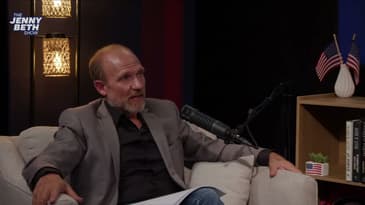
In this clip from Part 1 of The Jenny Beth Show’s four-part Constitution training series with Tea Party Patriots Foundation, constitutional scholar Bill Norton walks Jenny Beth Martin through the language history every American should know.
In Old English, the word “mann” simply meant mankind. It didn’t refer to males. Gendered prefixes were attached when needed: “werman” or “wereman” meant a male human (remnants survive in “werewolf”), and “wifman” — eventually shortened to “woman” — meant a female human. Over time, the prefix dropped off “werman” and “man” came to mean both mankind and a male. By Jefferson’s era, “man” in formal documents most often still meant mankind. When Jefferson wrote “all men are created equal,” women were not separate from the statement — they were inside it.
Bill goes further: the Declaration was not describing 1776 America. Women couldn’t vote. Slaves and indentured servants could not hold office. Even free men without property couldn’t always vote. Jefferson wrote a self-evident truth about how things ought to be — and the power of those words began bending the country toward that truth over the next two and a half centuries.
Bill Norton has been studying the founders for more than three decades and is co-author of “Speaking the Language of Liberty.”
Hosted by Jenny Beth Martin, co-founder of the Tea Party movement and Chairman of Tea Party Patriots Action.
Learn more at jennybethshow.com and teapartypatriots.org.
00:00 — A Word History Most Americans Don’t Know
00:45 — “Mann” Meant Mankind
01:30 — Werman and Wifman: How the Words Split
02:30 — What “Man” Meant in Jefferson’s Era
03:30 — Women Were Inside the Statement
04:15 — Declaring What Ought to Be
#JennyBethShow #DeclarationOfIndependence #AllMenAreCreatedEqual #FoundingFathers #Constitution #BillNorton #TeaPartyPatriots #AmericanHistory