
Driena Sixto is Spanish Media Director at the Lincoln Media Foundation, where she has run the Spanish-language media operation since November of last year. She hosts a weekly Spanish-language news program on Claro y Directo América, appears regularly on Fox Noticias, and spent six years at Turning Point USA beginning in 2016 before helping build the voter registration and ballot chasing operation at Turning Point Action. She grew up in Hialeah, Florida, and this is her second appearance on the show.
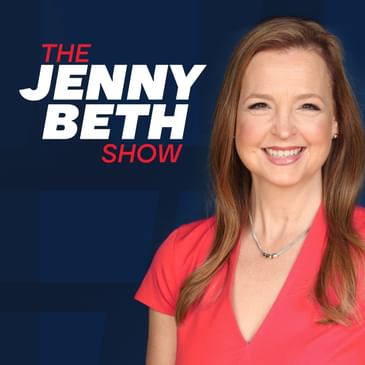
Jenny Beth Martin hosts. This is the long-form conversation about how Sixto came to be who she is, rather than the news of the day.
Key topics:
- Her grandparents leaving Franco's Spain for Cuba, and everything the family built there before Fidel Castro took power
- Her grandfather dying young of a heart attack, and what her father believes caused it
- Her father arrested as a political dissident, and the refugee visa he obtained at the United States embassy after his release
- Why her parents stayed married ten years in Cuba and refused to have children until they could leave
- Remembrance events, and learning as a child about boats full of women and children shot down by the Castro dictatorship
- Growing up in Hialeah, the city with the largest Cuban population of any city outside Cuba
- Why Cuban Americans are, in her account, the only Latino bloc that votes majority Republican
- Ten years in the movement: Turning Point USA starting in 2016, then Turning Point Action
- Why she says the right ceded Spanish-language media to Univision and Telemundo for decades, and what that cost
- Losing the mother tongue, assimilation, and why she believes learning English is a matter of respect
- Using artificial intelligence to translate and dub American political clips so Spanish speakers hear the words directly instead of reading captions
- Claro y Directo América, and where Spanish speakers can watch daily news without a left-leaning filter
- The hardest part of her job, which is finding one politically fluent Spanish speaker who can also create content
- Taking a camera out to Doral and to the Versailles restaurant to let Cubans and Venezuelans speak for themselves
- The Cuban American entrepreneurs organizing capital in South Florida to rebuild the island the day it is free
- Her case for abolishing the Department of Education and ending federal student loans and federal grants
- Tuition outrunning inflation, and holding universities accountable for degrees with no career prospects
- Why Republicans were wrong to stay off TikTok, and how young audiences actually take in news
- Why she says conservatives left academia to the left, and the two ways she thinks it gets taken back
- The clip of an assistant professor telling future school staff that parents are not to be trusted
- Why she plans to homeschool, and what she says parents give up at the door of a private school
- The Chinese student at Florida Atlantic University who would only speak about the Chinese Communist Party with his face blurred
- Immigrants who, she argues, hold more American values than many Americans
- Jenny Beth Martin on the border sheriffs, and what happens when the world learns the door is open
Timestamped breakdown:
00:00 — Cold open: a family that escaped two dictatorships
00:42 — Meet Driena Sixto
01:12 — Take it all the way back
01:38 — Franco's Spain to Cuba, and what Fidel Castro took
02:19 — Her father, arrested as a political dissident
02:35 — Ten years married, and no children in Cuba
04:05 — Finding Turning Point in her last year of college
06:10 — Hialeah: Cuba with freedom
07:14 — Freedom can be lost in one generation
08:08 — Spanish Media Director at the Lincoln Media Foundation
10:56 — Nature abhors a vacuum
13:39 — Her weekly Spanish-language show
14:30 — Claro y Directo América
14:50 — Training the people who will replace you
18:54 — Let them say it in their own language
20:30 — Who is actually watching
21:52 — Out in the street with a camera
24:37 — The Cubans organizing capital to rebuild the island
26:10 — Reaching young people who think socialism sounds good
31:03 — Abolish the Department of Education
35:49 — Why academia was left to the left
37:54 — The professor who said not to trust the parents
39:00 — Why she plans to homeschool
42:09 — The Chinese student who would not show his face
46:43 — The era of information
47:06 — What she watched happen in Ceuta, Spain
53:41 — What the border sheriffs told her
Links: jennybethshow.com, teapartypatriots.org
[00:00:00] Driena Sixto's family escaped Franco in Spain and went to Cuba. And then in Cuba, they wound up having to escape Castro. They finally made it to America where her parents gave birth to her and her sister. She grew up learning the horrors of communism and the importance of liberty. She's my guest today. I'm Jenny Beth Martin, and this is The Jenny Beth Show.
[00:00:38] Welcome to The Jenny Beth Show. Driena Sixto, thank you so much for joining me again today. Thank you guys for having me back on.
[00:00:47] So last week we did an interview with you and we talked a lot about the news of the day, but I wanted to give the audience a chance to really get to know you. You're doing exciting work. You are a young conservative and I want to make sure they get to know you, how you came to be a conservative and where they can follow you and watch more of what you're doing. So why don't we just kind of start out with your background and how you came to be where you are right now?
[00:01:16] Yeah, absolutely. So I'll take it all the way back to my parents because that's truly where it was. Well, even before that, my grandparents. So I guess you could say I have a family history of running away from big governments, right? So on my grandfather's side, my dad's side, they left Spain getting away from Franco to go to Cuba.
[00:01:40] Right. And then in Cuba, they established themselves, had businesses, had properties until Fidel came by and just got rid of everything, conquered everything. They were left with nothing really, basically, except like the one house that they that they had for their families. As a result of that, you know, lots of tragedies happened in my family. This was, you know, when Fidel first took over, my father was born. He saw his father die at a very young age, pretty much of a heart attack.
[00:02:07] He always claims that it was because of the fact that he was always so upset at the fact that he had everything he had worked for taken away from them. And then my dad fast forward a lot. Well, he was obviously very against the Cuban government and the dictatorship. And until he ended up in prison, my mother and my father, they met in Cuba. They got married. They were together for 10 years, but they decided not to have children there.
[00:02:36] They weren't planning on having kids until Cuba became free or they were able to leave the country. And that's exactly what they did. So my dad first, well, he got arrested for, you know, being a political dissident. When he got out, he was able to go to the U.S. embassy and say, hey, I'm an actual political refugee. And that's how he was able to get a visa to legally come here. And he has never been back since to the island ever again.
[00:03:04] And so my sister and I were then born and we grew up, obviously, knowing about the history of Cuba, knowing about the history of socialism, of communism, of big government. And we grew up, for example, going to remembrance events where we would learn about different boats that were shot down full of women and children by the Castro dictatorship.
[00:03:31] So we learned the brutality of socialism, the brutality of communism. And I'll be very honest, growing up with so much political involvement in my very young life, I almost had an aversion to it as I grew up a little bit more and was an older teenager. And I'm like, I don't know if I even like this. It's like so much. But I think it just ran in our bloodline, in our veins to get politically involved regardless.
[00:04:00] And that's how when I was in college, the very last year before I graduated, is how I came into contact with Turning Point. And I liked their message, which was big government sucks. And at the time, that was their motto. And so I agreed with that. And I'm like, you know what? This is a movement that I think fits what I believe. And it's doing its purpose where it matters the most with the young minds of the country.
[00:04:28] And so I started with Turning Point back in 2016. So that ages me a little bit. And so since then, you know, I started at the lower level. And then I obviously grew up with the organization, overseeing Florida, overseeing several states. And then I joined the action, the PAC. Well, not the PAC, the 501C4 instead of the C3.
[00:04:52] So Turning Point Action, the more outwardly political, not nonprofit sister organization. And there, after being six years with Turning Point USA, they're like, Triana, we need you to do it again. You know, start, you know, an organization and help start it from kind of like the scratch that it was when I first started Turning Point. And and that grew enormously, as you know, their main focus is ballot chasing and registering people to vote.
[00:05:23] Throughout this entire time, I always stayed very involved in my local community, very involved with, you know, my local Miami Young Republicans. I grew up in Miami. And so this has been kind of like a very just unique place to grow up in freedom, but also grow up understanding the cultures and the histories of a lot of immigrants that come here.
[00:05:47] Miami, I think it's the only large city in the country that votes primarily right wing. So that makes it that makes it pretty cool. Cuban Americans, for example, are the only Latinos that vote majority Republican, then Democrat. So I grew up in in that environment. I grew up in the city of Hialeah, which I'm sure none of y'all have heard about.
[00:06:14] But it is the city with the most Cubans outside of Cuba in the entire world. And so I grew up in kind of like Cuba, but with freedom and again, makes it a very unique experience. But as you know, Miami is a melting pot of different cultures. But a lot of those immigrants came escaping socialism and communism. And so they want nothing to do with that.
[00:06:38] And what they're observing right now is such a push and such a swing towards extreme far left policies from one political party that at least what I've noticed, the trend is they are being very averse to it and averse to those candidates that call themselves socialists, democratic socialists, straight up communists.
[00:07:06] And it's crazy because you thought that we couldn't see that here in this country. This is the country where that just can't happen. But freedom can be lost in just one generation. And that's why every single generation has to do its part to preserve it. Right. And that's what I've been doing for a very long time now. Yeah, that is exactly right. And your parents made sure that they helped preserve it for you.
[00:07:31] And really, your grandfather made sure he preserved it for his family. And your dad made sure that he was preserving it for for your family. And now you're preserving it not just for your family, but for the entire country. So it's it is a remarkable history of activism. Did your dad have siblings? Yeah, he had two. He had a brother and a sister much older than him. So they passed away a while back.
[00:08:00] The brother passed away in Cuba. Sister was able to come here to this country. She passed away a few years back here. But yeah, that was pretty much the whole family. And well, right now I work at the Lincoln Media Foundation since November of last year as their Spanish media director.
[00:08:17] And I've been able to hone in all of my political experience from these last 10 years, pretty much, and focus it into an audience that needs specific dedication. Sadly to say, and believe it or not, a lot of Latino Americans here in the country lose the language very quickly, which is a good thing. I believe a thousand percent in assimilation.
[00:08:43] We should learn the language of the country that we plan to be in as a sign of respect for it. But losing the mother tongue is a disadvantage, right? And how else? And the Democrats, they know this. So they put in a lot of resources and making sure people are reached out to in their own language. And I think the right hasn't done as much of an effort on that front for many years.
[00:09:12] And thankfully, we are correcting it because Latinos are fertile. Okay. They reproduce like rabbits. So, um, so they, you know, it's a population that we have to contend with here in the U.S. and, and get them the truth, right? The truth, not just like to skew them to one side or to the other, just by giving people the facts. I think that they will naturally align with more conservative values.
[00:09:40] They are conservative by, by nature, right? By their upbringing. They believe in family values. They are not with this whole, um, forced LGBT agenda, especially on the children. Um, that's a huge, huge issue for the Latino community here. Um, they are not for socialism. So naturally, if you just present Latinos with the facts, hey, did you know this candidate said this about this topic? You know that they're proposing this insane tax?
[00:10:10] Do you know that they're proposing you not knowing what's going on in your child's school? They will naturally then pick whoever they think best represents their value, but you have to give it to them in their language until at least they have enough time to then learn, you know, English and, and assimilate and, and have more, more resources. Um, but up until now that, that gap needs to be, needs to be bridged. And that's what, uh, Lincoln Media Foundation does.
[00:10:38] Again, just gives it to you straight, um, to let people make better, more informed decisions. And I'm very, very proud to be able to play a part in that. It sounds like a very important, um, group that we need out there because we, we, one thing that I see often on my show is that nature abhors a vacuum. So if there is an empty space and we don't fill it, the left is going to fill it automatically.
[00:11:06] We shouldn't cede that ground to them without trying to also speak in that language, make sure people hear our side of the political issues, especially when they're going to agree with our side if they know more about what we stand for. Yeah, I, I agree. Um, again, uh, resources have been limited, right? If we had a limited resources and that would be fantastic, but that doesn't exist.
[00:11:32] Um, I think thankfully because of this administration, we're cutting down on a lot of fraud. I think with, um, you know, a lot of the USAID money that has been eliminated here in the country, across the world, we are seeing less of an influence, um, that supports more extremist ideology. So we don't have to fight back, uh, fight that with our own taxpayer dollars that were being, you know, used for those purposes.
[00:12:00] So I think the loving, the, uh, the playing field has leveled out a little bit more. Um, and so we have to take full advantage of that, right? Uh, and we need to train and we need to bring in new people into the movement to, to fight this battlefront. Uh, one of the most difficult parts of what I do and my job is truly just recruiting and finding talent, right?
[00:12:25] Finding, uh, well, politically versed people that speak Spanish correctly, um, that are talented when it comes to creating content, um, finding content, knowing, uh, what, what clicks for the audience that we're looking for. Um, and so I, I feel like we have to make a lot of, uh, of these political activists from scratch.
[00:12:50] Um, and so it's like finding a unicorn sometimes, uh, some people, some people, a lot of Latinos, I'd say most Latinos, especially the younger ones. They know Spanish because they grew up with Spanish, but they don't know it as well as English. Right. And that was my case too. I'd say like a few years back because I grew up with Spanish my whole life, but I still spoke primarily English.
[00:13:15] And so there's some words that I use in political arena that I just never colloquially spoke with anybody. And so, you know, stem a little bit at the beginning, but once I got that down, everything became a lot more fluent and now I can do a lot more media in Spanish and, you know, regularly appear in Fox noticias or other outlets. I have my own Spanish, um, weekly show as well. That's another one that you guys can follow, um, on Claro y Directo América.
[00:13:44] So that is a Spanish YouTube channel, um, that basically has a daily news show as well as additional content. I have my weekly show on there where I give a resume of the weekly news, what happened, what's important, um, for my audience.
[00:14:04] But also if people wanted to get their news without a more left-wing bias, like they've historically had to do with the only two major outlets, Univision and Telemundo. Well, then they can, they now have this option. So, uh, tell mama, papa, tío, tía, if you know any, uh, Hispanics that don't, don't have, you know, the English language down perfectly yet.
[00:14:28] But if they want an alternative news source, they can go to Claro y Directo América and there they can see their daily news from 10 to 4 p.m., replay it, um, and then check out other shows as well. So I'm trying to do as much as I can fighting, uh, you know, fighting this and on different fronts. Um, and I'm thankful to be able to, to train other people to replace me because it is, and I'm sure you know too, because you're also kind of doing the same thing. It is a lot of work.
[00:14:58] It is a tiring fight. It is an uphill battle and we need, uh, newer generations to, to follow in our footsteps. And so we have to be the ones to train them to replace us. And I feel like that is what I'm always doing is that I'm always going to be trying to train as many people to do what I do and just give them knowledge and set them out into the world and go make it better. Yeah, but you've got, you've got good experience doing that.
[00:15:25] You train people with Turning Point USA and then train people with Turning Point Action. And now you're training people in the new position. So you know how to train people. And that is, it is extremely important because there are a lot of people who have the desire and they still need some skills to go with that desire.
[00:15:43] And once they have the skills, they, they can turn into, to just amazing, amazing activists who can amplify and magnify, not magnify, but multiply what they're doing. And so it's great that you have that experience to train people. It's, it's, it's wonderful. Yeah. Yeah. And I'm thankful because I was given the opportunity to do so about two years back.
[00:16:10] So my background was mostly in politics and grassroots politics for a very long time. And somebody I know, good friend at Claro y Directo America gave me an opportunity to just get my feet wet into media. And I started out and like I said, you know, you always stumble at first, but get being given the opportunity to do so. You, you just learn so much.
[00:16:37] I could go back and I look at, you know, some of the first episodes I did versus now, and it is night and day and it takes time, you know, it takes time. Um, so I think what you primarily should look for is people that have a good heart, people that have the best intentions and a willingness to, to work. Um, and that Latinos do have, right. They have family values, conservative values and a willingness to work.
[00:17:04] And so it's, it's just a matter of giving them an opportunity and, and the skills that they need. So, um, so I think that the future is bright. I think that a lot of Latinos for the first time are, are, are waking up. Um, I oversee. So in the Spanish media department that I oversee with Lincoln media, there's two brands that I manage, uh, La Pura Neta and Hablemos Claro.
[00:17:29] And so each of these brands has their Instagram and their Facebook and their TikTok and all of that. And so we're constantly posting content on there and videos, reels, graphics, and just to see, go on there and see the comments of the audience. It really gives me a feel for where their head is at. And it gives me hope because they are very much aware of what is going on.
[00:17:56] They are very much aware of the political situation in this country right now and how we are, and about a turning point on how our country can go forth in the very near future. And how we are just like one wrong turn away from socialism. Um, and it's just, you know, you put out these videos, you, you don't have to like say anything. You just let people, uh, say what they're going to say.
[00:18:22] Mom Donnie in New York, you just let him run his mouth and, you know, let people think what they're going to think about that. That's all we have to do. Um, but again, this hasn't been really done in the past because, um, we don't like from Univision and Telemundo. They're not going to put out some of the more extreme viewpoints from these kinds of individuals or they just won't dub it. And that's another thing that we do.
[00:18:49] So we take all this content and we, we use AI to translate it so that they get the information straight from the horse's mouth in their language. Um, not just like listening in English and reading the captions. It's not exactly the same thing. And I think that's why the content does so well. Uh, I think that's why it really stirs up passion in the people that are, that are interacting with it because they, they find, they get it, you know?
[00:19:18] Um, and so, and so, yeah, I, I love, I love doing that. And, and I love learning cause this is, you know, I'm 32 now and I'm in that, I was born in 94 and I'm in that generation where we saw, you know, iPhones. Well, phones just pop up for the first time, cell phones and the transition of that and all of the technology that has come through with that.
[00:19:45] And you have to learn to adapt to the new technology to use it to your advantage, right? How to use AI, how to use the different apps, how to use the different programs. And so it's, you know, it's fun. And that's why I, I like this whole thing. It, you know, keeps me entertained, keeps me interested. And sometimes I learn from the younger generations too, like new things and how to be more efficient as well. Yeah, that is very true.
[00:20:10] You can do, you can learn a lot from them with technology and how to be more efficient. So with the audience of people who are watching what you were producing on, on Instagram, do you find that the people who are watching it are older or younger or is it a mix of both? It's a mix of both, but I can tell you like there's a good center. So just mostly adults, right?
[00:20:36] And not necessarily like older adults because they're using these platforms. So they are the future generations that are interacting with us. These are, you know, parents, adults. And so that's another thing that is fantastic because these people are going to be around for a very long time. They're going to be able to access the news that we put out. And so, yeah, it's, it's definitely a younger audience.
[00:21:03] It's in comparison to traditional methods of getting content out like TV or cable news. And so, so I think that should be our target. That's very important. Regardless, the older Latinos, at least in this area are definitely already skewed a lot more right wing. It's the younger ones that we need to worry about the most because if they've been through the public education system in this country,
[00:21:33] unfortunately, for any period of time, it is very easily for them to have, you know, gotten, unfortunately, mentally manipulated to believe in socialism, to have anti-American values. And so we need to undo that, that programming. Yeah, we absolutely do. So have you done anything where you take people who are from Cuba or Venezuela or other socialist and communist countries?
[00:22:02] And do, do you have any clips of them so that they're speaking in the language and reminding people like, look, see, Mondami? That's what we are facing in, in, in Cuba with Castro. It's, it's the same thing. Yeah. Yeah. So since I am in the epicenter of Hispanic America, whenever anything, any recent news has happened, you know, people are out on the streets here. And all I had to do is gather my stuff, get my camera equipment and go.
[00:22:30] So, for example, when they captured Maduro, obviously all the Venezuelans were out in the street celebrating. So we have this city called Doral, which is referred to as Doral Suela, because it's like basically all Venezuelans. So I went out to Doral to interview Venezuelans and what they thought of the situation and what they believed about socialism and communism and what message they had for Americans watching this.
[00:22:59] And their messages were very similar. We don't want socialism. We don't want communism. We don't want this happening here. Thank God that that guy got taken out. Right. So have a lot of testimonies that I've uploaded from there. When these talks of getting the Castro dictatorship out were announced by Secretary Rubio. We had Cubans out in the streets in front of the Versailles restaurant.
[00:23:26] It's a very famous restaurant where all the politicians go. And whenever any news on Cuba happens, everybody gets gathered there in pots and pans and flags and all that. So, of course, I went out there as well. And same testimonies. You have 80, 90-year-old people out there. And they would give me interviews and talk about their experiences, seeing as how they still remember when Castro first came into power.
[00:23:55] And they can tell you about how things were before that versus after. A lot of them still yearn to go back to their homeland and would, absolutely would, if they had the opportunity. And they're very grateful for this country. But they would absolutely go back to reconstruct the island.
[00:24:14] And, in fact, I'm also, these last few months, a group of very, I guess you could say elite Cubans has gotten together here in South Florida. Pretty much some of the biggest entrepreneurs and business owners and Cuban-American names in South Florida have convened together to prepare for when Cuba becomes free.
[00:24:40] So they can go in and invest capital into the island to fix it back up. And I've been thankful to be invited to these meetings to witness it and to network with the people that are there. And it's truly, you know, it's fascinating. Cubans built a lot of Miami to be what it is today as well as Tampa. And I think they're just naturally very entrepreneurial.
[00:25:06] And I think it would be so cool to see them take something that's basically obliterated, which is what Cuba is right now, and see what they can do with that. Just investing in it and, you know, giving people an opportunity, right? Putting Cuban capital to work. That is what has historically lifted people out of poverty, not socialism, not communism.
[00:25:29] So that would be a great experiment to see because we've seen all the time like, hey, this country was a capitalist country and socialism got it. And now it's absolutely devastated how we saw with Cuba, how we saw with Venezuela. It'd be really great to see a country that was devastated by communism come back to its original glory when we inject capitalism and entrepreneurship back into it. Yeah, that would be an amazing, just amazing to watch happen.
[00:25:58] I hope that they have the opportunity at some point soon to be able to do that. What about how can you take and maybe you're doing it with the short clips that you just described. How else can you take the stories of the people who have survived socialism and communism and convey it to younger people who think that socialism is the answer when you and I both know it's not? And really what we're talking about right now on the left today isn't even socialism.
[00:26:27] They actually are are talking about communism. They may not be calling it that, but that's what they're looking at. Yeah, absolutely. Absolutely. So, again, our largest target is, you know, voting age Hispanics here in the U.S. And and so that's what we aim the news towards. But I think the younger generations, everything does start at the family level.
[00:26:52] Right. I think parents, more than anything, need to be as hands on as possible with their child's education and and talk to them. And they the parents themselves could be skewed more left based on, you know, what they've been watching on TV, on what they've been seeing on social media.
[00:27:11] I feel like through us reaching out to that group with the content we've been putting out, we've been able to skew more people to to our side to, you know, have more conservative values, which they can then pass on to their children because now they have more things to give them to show them that they can that in a in a in a platform that they normally use.
[00:27:35] So before then, and this is one of the reasons why I told you when I was younger, I was up to here with politics and I probably would have just like never gone into it had it not been like my bloodline.
[00:27:49] But imagine telling your child, hey, come sit here right now and we're going to watch the news for an hour on everything related to Cuba, because in South Florida, there's a lot of smaller local outlets that actually do lean right wing and they cover things from a bit of a more right wing perspective. And they include news about Cuba and what's going on there. And so I would watch that for an hour every day.
[00:28:13] Imagine you told your child right now, hey, to inform you on what's going on and say you're not a socialist, come sit in front of this TV for an hour. We're going to watch this. No, people have short attention spans. And so I think that's why the content that we put out, which are shorter reels, graphics that tell a story with just a few sentences. That is the correct way to reach younger audiences. And that's what we've been doing. And I think pretty successful.
[00:28:40] That's really, really good. And I think it's so important to be able to get those messages out. It's something that I've been thinking about, not just in. Pardon me. It's something I've been thinking about, not just with Spanish speaking, like trying to get it to a Spanish speaking audience. But how do we convey this information that your parents taught you and that you and I both understand?
[00:29:08] And largely, a lot of it is because our parents taught us, your parents from firsthand experience, to the younger generation. Because I think so many younger people right now, socialism sounds good. It sounds like it's just going to solve all of their problems, even though it's going to create a world of problems they can't even begin to imagine.
[00:29:30] And we've got to find a way to show them and teach them about those problems so that they don't choose that path. And we don't have to fight that path in America more than we're already having to do so at this moment. Well, I think a huge reason for their upbringing like that, too, is, well, one, if they're really young and they haven't gotten into the workforce yet,
[00:29:56] they don't have the life experience to see just how much the government takes from you and for them to get really pissed off with, you know, the fact that they pay all this money in their taxes and it's going to all these different ridiculous reasons. So I think once some of them get a little bit older, they finally come more towards the right side and towards the reality.
[00:30:19] But unfortunately, there's some that were led astray when they were young as well, where they were told, go to college, get a degree and absolutely whatever, take as much as you need in student loans. And so they graduate as adults with this huge burden shackled to their foot. And so all of a sudden, the only thing that they see could be the solution to their problem and to take that shackle off their foot is what the socialists are selling,
[00:30:48] which is we're going to eliminate your student loan debt. We're going to eliminate all the stuff. We're going to make things more affordable so that you with your basket weaving degree can live. We're going to give you universal health care and we're going to give you free, you know, this and that. And so a huge way to address that problem would be through complete reform in our education system.
[00:31:08] I think abolishing the Department of Education, getting rid of federal student loans, getting rid of federal student grants. So that way, the amount of money that universities charge actually makes sense. The only reason they've been able to charge these exorbitant prices is because they have had an incentive to do so throughout the years.
[00:31:32] Right. The rate of tuition has surpassed the rate of inflation almost like 5x over the last 50 years, which is not normal. And so I think we need to hold universities accountable for that and take from a lot of what they have in reserves from from grants that they've been given and from donations that they that they have in reserves to to to help out their students.
[00:31:59] They need to make sure that they give students a or future students a clear, truthful assessment of what they would make after they graduate with a degree in the career that they choose. I think that they shouldn't even be allowed to give out degrees in ridiculous subjects that have no kind of career prospects and they should be punished and held accountable for doing that in the first place.
[00:32:26] So that's why education reform is absolutely needed as well. And that's a whole other battlefront to take care of as well. So, again, we're all doing we're all doing what we can from different angles. But but yeah, that is, you know, for for the younger for the younger generations, we need to get them as as young as possible.
[00:32:51] And once they get into the workforce, they kind of naturally start skewing more towards our side. And we just need to be on the same platforms they use like tick tock. Obviously, the brands that I manage are on tick tock. Republicans for a very long time were very anti tick tock and a lot of them. Right. And then they realize, hey, kids like their news in little clips.
[00:33:16] They like watching reels. They so we have to be got to meet them where they're at and we have to modernize. And that's what I've been doing. That's what we've been doing. So, again, adapt and overcome. Yeah, exactly. And what you were saying about the the schools in the education, it's extremely important. We have two different kinds of problems. We have the indoctrination problem that we need to to deal with.
[00:33:43] And kids are not learning what they they should be learning about American history and about America and about socialism and communism and and and so many things that we talk about very often when it comes to indoctrination.
[00:33:57] We also have the problem where they're they're just the schools are encouraging them to major in things and have many different things they can major in that don't have any sort of option for them to have a a future as a functioning adult in society. Other than becoming a barista or some sort of retail sales clerk. They're they're not encouraging them.
[00:34:24] And I think that what you said about it starts with parents is very important as well. When my kids went to college, I said, you know, we'll we'll talk about the things that you're majoring in. But if you don't know what you're going to major in, then you are majoring in business, period, full stop. And if you don't know what to major in within business, then major in finance, period, because you can always get a job doing that.
[00:34:50] Neither kid wound up majoring in finance, but but they both listened to me when it came to that. And I just was like, you're not getting a degree that is going to be worthless when you get out of college. You're not getting a degree that you can't go get a job and be a functioning adult when you get out of college. And yet the colleges aren't saying that they they don't as long as they're getting paid, they don't really care.
[00:35:16] So tying the ability to get a job post-graduation to how much money they're getting from the federal government is very important. And I think that's one of the things that Linda McMahon is working on. Yeah. And and thank God we have her in in that in that role. She's been doing a really great job. But yeah, you know, it has been so predatory for such a long time. And understandably so, because here's the thing.
[00:35:44] Conservatives in general live out in the real world. Academia has historically been left to the left because what they preach doesn't work in practice. It only works within the confines of a classroom. Socialism doesn't work in practice. It works in, you know, a little classroom where they can teach about the how magnificent socialism is.
[00:36:09] The reality is that a lot of these professors, if being a professor was not an option, they are only qualified to make sandwiches at Quiznos or drive for Uber. Like that is their skill set for the real world outside of being a professor. So you hear so many students going to college to major in these ridiculous things. Oh, and what do you want to do when you grow up? Be a professor.
[00:36:37] Like stay in that academia bubble. Whereas conservatives are out in the real world, real world becoming entrepreneurs, working in businesses, you know, just creating new things. And so naturally that divide has happened and naturally that bubble for academia has been left to the left.
[00:36:58] So we as conservatives do need to either a take back those that role and like hold our noses and take those teaching jobs or at the very least make sure that we regulate it so that in addition to, you know, teaching math, you're not teaching socialism along with it or gender studies along with, you know, science along with any any other subject. But for whatever reason that has been, you know, happening.
[00:37:27] And and so, again, it does start with the family. It does start at home. A lot of parents may find themselves too busy working, doing things out in the real world to be as involved with their kids to understand what exactly they're being taught in schools for an extended period of time until it's too late, until those kids have been programmed against them, basically.
[00:37:53] I saw a clip the other day that, you know, we translated and shared where one of these assistant professors at a school was telling the staff, well, the students that are going to be staff in the future. The parents are not to be trusted. You guys, you can't trust the parents. And I'm just like, this is, you know, this is exactly what we're what we're warning against. Yeah. And so Latino parents, all parents just need to be really hands on.
[00:38:22] I personally, since I worked for Turning Point and I work with students and so I went to pretty much all so many schools. I mean, I have been to so many colleges, so many universities, high schools as well, public and private. And I can tell you that even the best, you know, private schools, the Christian ones, Catholic ones, Jewish ones, which are elite schools. Right.
[00:38:51] And people pay parents pay so much tuition to keep these kids in these private schools. It still wouldn't compare to homeschooling. And so that's what I plan to do with my kids in the future. Make the time for it. It's very affordable. It's not as time consuming as people think that it is.
[00:39:11] And I think it's pretty much going to be the only option if we don't get our public education system fixed or even our education system, because these private schools, you think you're going to give your kids a better chance there. But the reality is that you check out all of your constitutional rights at the door once you enter a private school. So the private schools that we know the student body there was very conservative.
[00:39:38] We know that the parents of those students were very conservative. It was almost impossible to get a chapter started at those schools because the school administration would simply say, no, we don't want it. And we're private. So there's nothing you can do about it. So bye. And so you think that they would be more exposed to right wing conservative values there. But no, they're actually not.
[00:40:04] And they'll kick your kid out because they'll have another one lining up ready to pay money for for that school soon. So that is just my my bit of advice to parents watching this. No, I think. Yeah, I think it's very good. Very good advice. And you're right. Homeschooling can be very affordable. It doesn't have to break the bank and it doesn't have to take massive amounts of time. I did not homeschool.
[00:40:31] My children had they been a year younger when COVID happened. They were in the middle of their junior year of high school. If they'd been one year younger, they would have homeschooled the remainder of their their high school education. I didn't do that to them their senior year. But if it had been junior and senior year, I would have said, no, you're done. We're not doing we're just not not doing that. Yeah. Yeah.
[00:40:56] So you work with Spanish speaking people and maybe the answer to this is no. And if it is, that's fine. Do you also wind up finding people in talking to people who are from China or the Soviet Union or the former Soviet Union or whose parents were from from those places? I would imagine even though the language is different, there is still a lot in common. Yeah, there absolutely is a lot in common.
[00:41:24] So if I come across, you know, content that that is significant, you know, somebody that is a Chinese immigrant here in the U.S. talking about their experience, then, yeah, we could definitely use that that content as well. So it's not exactly, you know, the kind of demographic I look out for to, you know, to interview or or anything like that, because things have to be relatable. Right. Right.
[00:41:50] That's kind of the whole point of engagement is people engage things that they find relatable to them. And so we obviously try to focus on that. But I will tell you, years back, I do remember on a campus at FAU, Florida Atlantic University, which is close to Boca Raton. There was a Chinese student there that wanted to give a presentation and talk about, you know, the CCP and the repression and all of that that went on there. We had that event.
[00:42:20] And one of the things they didn't want is for their face to be recorded. So all of the, you know, content that we put out, videos and whatever, we had to like blur that out because they are scared for their lives because that is how far they will go to truly, you know, squash opposition. Even, you know, even here in the U.S., which is, again, very, very scary that that is that is a reality.
[00:42:45] And so things like that definitely made a huge impact to the other kids that were there, you know, listening and seeing that this, you know, Chinese, these Chinese citizen in the United States was scared for his life being a classmate, a peer just like them. And they don't have that same freedom that they do. So they take it a lot less for for granted. So I think stories like that are important, too.
[00:43:13] Yeah, I think that they're very important. And it's it's something that it's very hard for Americans to even relate to that. There are countries like that in the the world where speaking out even in a foreign country about your own home country could land you in serious, not political, but legal trouble. And it could land your parents and your family in in legal trouble as well. It's something that we can't even relate to.
[00:43:43] And it's part of the reason why it's very important that while we explain things that are happening in America, we don't over exaggerate what is happening in America because there truly are people in the world who are experiencing much, much worse than anything we can possibly even begin to imagine. Yeah, I think, again, most people don't value what they have until they lose it.
[00:44:09] And fortunately, people in this country have not experienced the terrors of socialism and communism in the past. And so it really sometimes has been the first time that they hear a, you know, first person account by immigrants.
[00:44:28] Right. So that is a beneficial, a beneficial thing that they get exposed to these immigrants that come from Venezuela, that come from Cuba, that sometimes have more American values than Americans themselves. Who don't value capitalism, who don't value patriotism and embracing Americana culture. I also think a huge thing is that this country is so large, so huge.
[00:44:55] My 20s, I spent it on the road and on a plane. I think I spent more time on a plane than in a car in my 20s. I do that. Yeah. Yeah. OK, so you get it. And so extremely tiring work. But you get to see a lot of the country. I would travel to Alabama, Georgia, Mississippi, Louisiana, Texas, North Carolina, Arizona.
[00:45:20] And so and then just little pockets of real America and real America looks so different from one place to the other. That sometimes it's hard for people to fathom what is going on in another state. And here in Miami, where it's, you know, we have more capitalism, like I live in Florida, the great city of Florida.
[00:45:44] We have all these liberties that simply don't exist in other parts of this same country. We really don't, I guess, understand it until we go there.
[00:45:57] And so people in Florida or maybe there is like a young student growing up in Florida, living their best life, not knowing that Timmy in California has to like mask up if he goes into, you know, a place so that he needs to suffer by sucking on a freaking, you know, paper straw.
[00:46:15] Like those, you know, so unfortunately, I think that socialism and communism creeps up within this country because we are so large. There are so many different pockets that you can easily just lose certain areas. And the rest of the country is not going to get outraged for it or find out unless you are connected on social media. And that's why this is the era of information.
[00:46:44] And even though there's so many different like setbacks, you know, for it, you know, bad uses for AI and whatnot, we truly have the most unique opportunity that we've ever had in history to truly inform people where, you know, here in the U.S. We can see what was happening in Celta, Spain, that city that got overtaken by Moroccan invaders in a matter of 24 hours. They, you know.
[00:47:13] The amount of people that crossed over almost rivaled the population of that tiny city and the images I saw were disturbing. You know, these people trying to get into houses instantly as soon as they went over. Imagine your family, right? And you have these people at your door trying to get in. And if you defend yourself and you hurt that guy, then 20 other people are going to come towards where that guy was. And then they're going to like hurt your family.
[00:47:42] So I, I mean, my stomach was in a knot about what I saw and what was going on. And I would not have been able to do that in, you know, past times because I would have maybe only been able to see it if I saw the clips of the news station that went over there to record what was going on and played it at 6 p.m. Or at 10 p.m. And if I missed it, well, that was it. I don't really, you know, know much else on it. We're in the air, you know, we're in the era of information.
[00:48:10] And so that's why if the rise of a pocket of socialism or communism is seen in one part of America, like New York City or or Islamic extremism, like we see in Dearborn, Michigan. You know, people, people in Miami don't know that if you go out, you know, out of your house in Dearborn, Michigan, it's basically an Islamic country. They, you know, they would have a culture shock, but they can see it now finally on social media.
[00:48:39] And it's my job to pick out these stories and present it to them. Right. And so thankfully, they don't have to get on an airplane to see what is going on in some radicalized pockets of America. We kind of bridge that gap. So, yeah, I'm telling you, these are these are the craziest of times.
[00:49:01] But I think the best of times where we don't have the monopoly that the media may have held in in the past. Yeah. Podcasts like yours. Right. And I think that that's such a good point. And then once the clip is out, as long as they can get out of the country, then the rest of the world can see what is going on and see it very easily. So people in the country hopefully can see more about what's going on.
[00:49:28] And then people in the rest of the world can as well. I think that in Spain, the government was trying to shut down the videos and keep them from going out further. But but once as long as somebody can get through, whether it's on a VPN or however they need to do it to get the videos out, even after the government is trying to clamp down, then then we are able to help promote it for them. And I think that that is very important as well.
[00:49:58] It's staying informed and then making sure that you're keeping other people informed and also shining a light on on the failures of of other forms of government. I would imagine when you were watching that in Spain, that had to be a really it bothered you because you've seen the border situation here. And then, you know, you know, that's where your family was from originally, too.
[00:50:25] Yeah. Yeah. And to see a country that has so much culture, I mean, it is the it is the origin of all of Latin America. So it's called the motherland, right? To see the the motherland of Latin America being invaded by Muslim extremists that clearly, you know, they're not coming for opportunities or anything.
[00:50:50] They're coming because they are such a drain on their own societies that they are just looking for handouts and whatever they can be given in in another place. If they weren't able to positively contribute in their own communities at their young, you know, strong age, then what makes you think they're going to do anything good in these countries when they don't know the language?
[00:51:17] They don't have anything to do with the culture. It's truly scary. It is what I saw. I mean, I was just so mad because I was like, how many people there have high powered, you know, weapons, high powered rifles, which is what you would need if a horde of 20 people showed up to their to their house and decided this one we're going to ransack this house because we've got 20 people we can get in and we're not leaving until we do so.
[00:51:45] And nothing's going to happen to us because if, you know, we get caught, we just like scurry off like rats. That is such it. It's apocalyptic. It's absolutely apocalyptic. I could only imagine if I had kids and if I had a family like what would you do? You would have to protect your house like if it was a zombie apocalypse. Do you throw hot oil, hot water off the out the windows? Like what do you what do you even freaking do in that situation and that the government has completely abandoned you?
[00:52:13] Right. The government, the Pedro Sanchez, an open socialist is running the. Oh, OK, is running the the country into into the ground. So they are absolutely on their own. So on top of being surrounded and scared, they know that their government is basically a treasonous government that has completely abandoned them as well. It is it is terrifying, terrifying, terrifying situation.
[00:52:42] And it could happen here, too. Yeah. Like if if we have an open border again in the south in New Mexico, what we're going to see come through there is going to rival what we saw in in Celta. Yeah. And that is absolutely what the left is playing to do if they ever get in power, because they need them for political leverage here in the country. So, yeah, yeah, it's important. It is extremely important.
[00:53:11] And I think what we saw in Spain, it clearly was an invasion. It was organized and it it was scary. It was extremely alarming. And I think it's going to affect the entire European Union because now they're inside of a country they're in illegally and they're supposed to be able to move all around the entire European Union. It's just a mess. They're going to have to get control over it.
[00:53:37] And as I watched it, it reminded me immediately of what I've heard so many border sheriffs tell me over the years. I've been to the border many times talking with the sheriffs there and they say as soon as you send a message that the borders are open and you're not going to do anything to stop people from entering illegally. As soon as the world knows that that is going on, the world tries to enter illegally and it's almost impossible to stop them when when you've decided you're just going to allow it to happen.
[00:54:07] I have seen videos, too, of Hispanics in Mexico, other parts saying that we do plan on invading the U.S. again or coming back here. But once the president is out of power, this president. So, again, that's in the horizon. Yeah, it's why we have to stay vigilant and we have to make sure that that we're doing all that we can to keep conservatives in office and elect more conservatives. And it's why what you're doing is so very important.
[00:54:35] You're educating other people so they understand and they choose conservatism and they choose freedom and liberty and our Constitution and they don't turn away from it. Yep, absolutely. Absolutely. Well, Driena Sixto, thank you so much for joining me. I really appreciate it. And I just had so much fun getting to know you today. Thank you so much. This is this is great. It was so much fun, too. If you enjoyed today's conversation, go ahead and hit like and subscribe.
[00:55:02] It really helps us reach more people who care about liberty and the Constitution. You can find this and other episodes at JennyBethShow.com, as well as Facebook, YouTube, Rumble, Instagram, X and your favorite podcast platform. The Jenny Beth Show is hosted by Jenny Beth Martin. The Jenny Beth Show is a production of Tea Party Patriots Action. For more information, visit TeaPartyPatriots.org.