
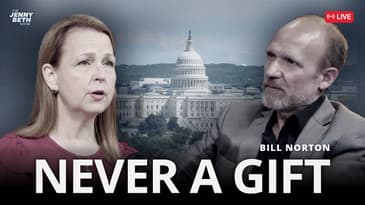
Start with the sentence almost nobody was taught: the Bill of Rights does not grant you anything. It protects rights you already had. Bill Norton says that distinction is not a technicality, because the moment you accept that government handed you those rights, you have accepted that government can regulate them, define them, or take them back.
The history behind it is a fight. At the constitutional convention in Philadelphia in 1787, George Mason stood up and said he would sooner lose his right arm than put it to that document, because it carried no bill of rights. James Madison told him the government had not been given enough power to abuse anyone. Mason answered that they will, because they always do. Alexander Hamilton and Madison had the opposite fear: write the rights down, and you invite the federal government to decide what they mean and to treat anything left off the list as fair game. Norton argues that both sides were proven right, and that we are living in the proof.
Then he goes amendment by amendment with Jenny Beth Martin. Freedom of conscience as the founders' original name for freedom of religion. The 1735 acquittal of publisher Peter Zenger and the jury that made American free speech possible. The Alien and Sedition Acts, signed by John Adams, with an expiration date set for the next election. The Second Amendment read militia first. The Third Amendment and the principle of pre-consent. Writs of assistance and how he applies the Fourth Amendment to the Internal Revenue Service. The Ninth Amendment he says he misread for years.
Guest: Bill Norton, constitutional scholar, author of Speaking the Language of Liberty and coauthor of Behind the Bill of Rights.
This is the fourth and final lesson in the founding principles series. If you want Congress reminded whose rights these are, the Capitol switchboard is 202-224-3121.
More at jennybethshow.com and teapartypatriots.org.
00:00 — Cold Open: The Final Lesson in the Founding Principles Series
01:57 — Philadelphia, 1787: George Mason Refuses to Sign
05:39 — No Ratification Without a Bill of Rights, and Madison's Promise
10:23 — The Amendment That Sat Unratified for Two Centuries
12:07 — The Bill of Rights Does Not Grant You Anything
16:15 — The Preamble to the Bill of Rights Almost Nobody Reads
19:54 — Amendment One: Freedom of Conscience Before Freedom of Religion
25:29 — Free Speech, Peter Zenger, and the Alien and Sedition Acts
32:55 — Press, Assembly, and the Weight of the Word Peaceably
38:46 — The Second Amendment: Militia First, Individual Right Second
49:49 — The Third Amendment and the Principle of Pre-Consent
56:29 — The Fourth Amendment, Writs of Assistance, and Your Papers
1:02:25 — The Fifth Amendment Past I Plead the Fifth
1:12:02 — The Sixth, Seventh, and Eighth Amendments
1:21:36 — The Ninth and Tenth: Madison's Explanatory Pair
1:29:10 — Closing: Keeping the Republic Takes Work
#JennyBethShow #BillOfRights #BillNorton #FoundingPrinciples #FirstAmendment #SecondAmendment #FourthAmendment #JamesMadison #NaturalLaw #TeaPartyPatriotsAction